A leading medical university with excellence in higher education and strong clinical expertise
Explore the City of Guangzhou
A dynamic gateway to southern China, where global commerce meets modern city life
Discover Life at SMU
Experience vibrant campus life and enrich your university journey in southern China
Study at SMU
A leading medical university with excellence in higher education and strong clinical expertise
Explore the City of Guangzhou
A dynamic gateway to southern China, where global commerce meets modern city life
Discover Life at SMU
Experience vibrant campus life and enrich your university journey in southern China
Welcome to SMU, a prestigious medical university in China!
xx:xx
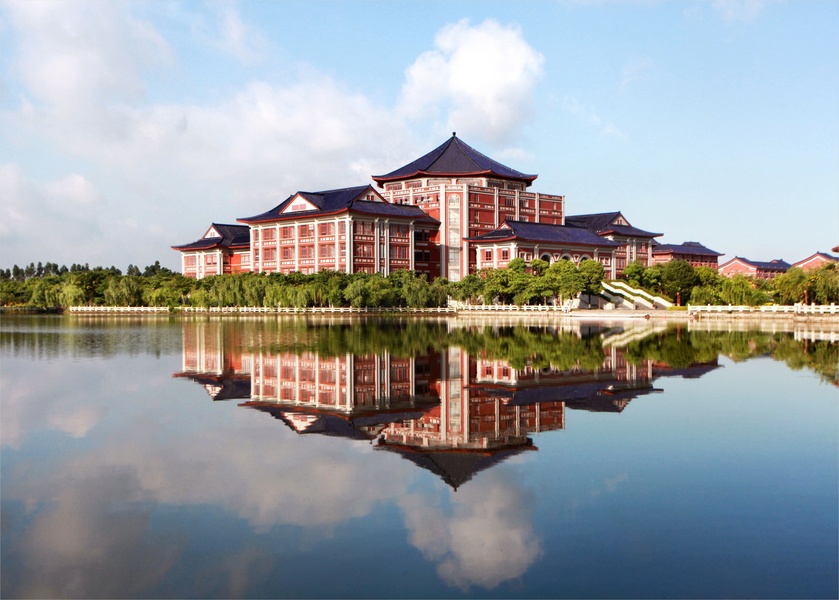
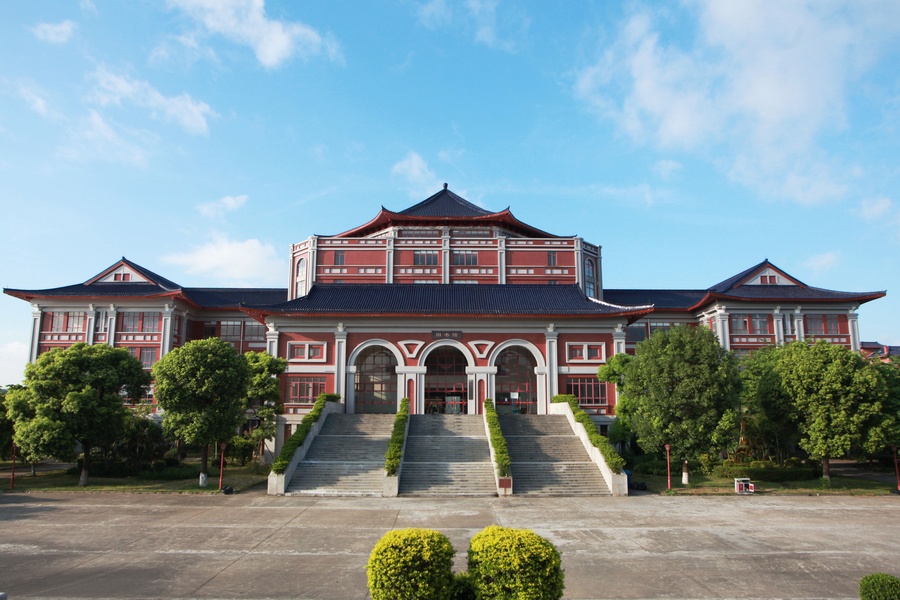
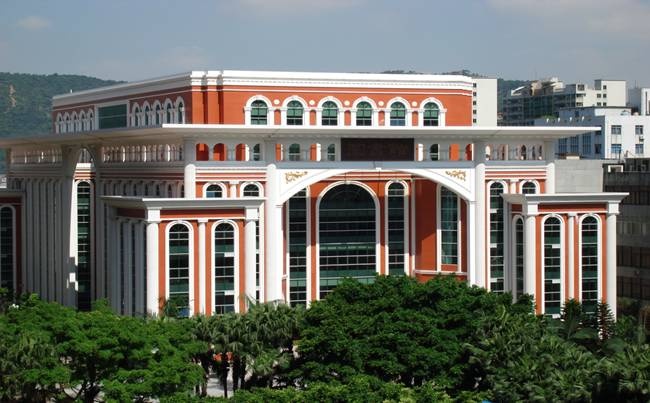
Founded in 1951, Southern Medical University (SMU) is a leading medical university with campuses in Guangzhou and Shunde, Guangdong Province. SMU is one of the first eight universities in China approved to offer an eight-year clinical medicine programme (combined bachelor’s-doctoral studies). It is also among the first pilot universities for the National Excellence Initiative for Doctor Training and the Excellence Initiative for Doctor Training in Traditional Chinese Medicine.
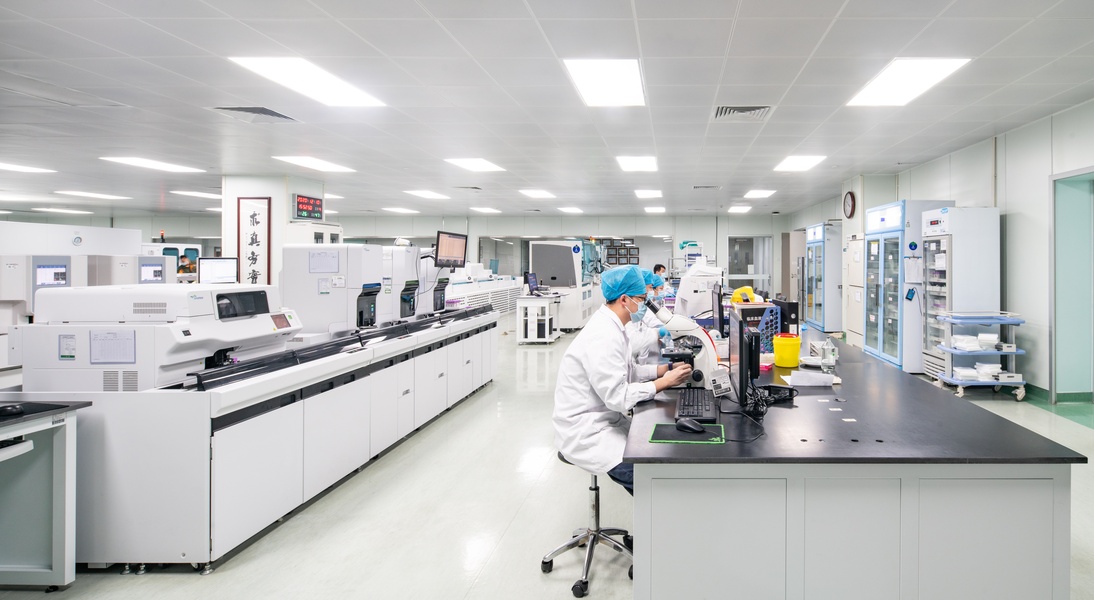
Today, SMU combines its strong medical heritage with a multidisciplinary approach spanning science, engineering, law, management and education. It brings together teaching, research and clinical practice through an extensive network of affiliated hospitals and research platforms.
International Development of SMU
SMU has established partnerships with 97 universities, research institutes and medical institutions across 29 countries and regions. Through international and regional alliances, SMU promotes collaboration in medical education, research and healthcare, strengthening its connections with the global academic community.
International cooperation also supports specialist education. SMU jointly delivers a doctoral programme in Public Health Policy and Management with ISCTE–University Institute of Lisbon, Portugal, and has received Ministry of Education approval for a collaborative undergraduate programme in Stomatology with the University of Liverpool, UK.
The university’s international research platforms include the Innovation and Talent Recruitment Base for Mechanisms, Clinical Diagnosis and Treatment of Kidney Injury and Repair, supported by the Ministry of Education and the Ministry of Science and Technology; the Guangdong–Hong Kong Joint Laboratory for Research on Major Psychiatric Disorders; the Guangdong–Hong Kong–Macao Joint Laboratory for New Drug Screening; and the SMU Institute for Global Health.
SMU has undertaken national foreign assistance training programmes since 1987 and is one of the Ministry of Education’s ten educational foreign assistance bases. It has trained 4,032 healthcare officials and technical professionals from 124 countries. Since beginning international student recruitment in 2005, SMU has produced 2,112 international graduates from 99 countries. The university has been recognised nationally for excellence in international student education and has passed national quality accreditation for both international student education and its English-taught undergraduate Clinical Medicine programme for international students.
Key Facts & Figures
10000+
Full-time Students
1
Undergraduate
Programmes
1
First-level Disciplines
for Master’s Degrees
1
CCN
IFP Graduates
1+
Excellent Alumni, including
1
International Students
1
First-level Disciplines
for Doctoral Degrees
1
Postdoctoral
Research Stations
1
CCN Students on
Degree Programmes
Academic Strength
SMU combines a strong foundation in medicine with complementary strengths in science, engineering, law, management and education. Fifteen disciplines rank among the global top 1% in the Essential Science Indicators (ESI), with Clinical Medicine, Pharmacology & Toxicology, and Biology & Biochemistry reaching the top 0.1%.
Teaching excellence is reflected in 23 nationally recognised first-class undergraduate programmes and 61 national first-class undergraduate courses. SMU has received 12 National Teaching Achievement Awards as the lead institution, including two first prizes. Its academic community includes four members of the Chinese Academy of Sciences or Chinese Academy of Engineering, alongside nationally recognised teaching teams and distinguished researchers.
SMU’s research infrastructure encompasses 136 national, provincial and ministerial-level platforms, including national key laboratories and clinical medicine research centres. The university has received 30 awards across China’s three major national science and technology award categories. In 2025, it secured 440 National Natural Science Foundation of China grants, ranking first among China’s independent medical universities and remaining among the national top 30 for ten consecutive years.
12
National Teaching Achievement Awards
30
Awards across China’s Three Major National Science and Technology Award Categories
136
National, Provincial and Ministerial-Level Research Platforms
57
National Key Clinical Specialties
Global Ranking
2026-2027
Best Global Universities:
#494
Best Global Universities in Asia:
#129
Pharmacology and Toxicology:
#33
Best Global Universities in China:
#22
National Recognition
National First-Class Undergraduate Programmes:
23
National First-Class Undergraduate Courses:
61
National Teaching Awards:
12
University Facilities
Teaching & Learning
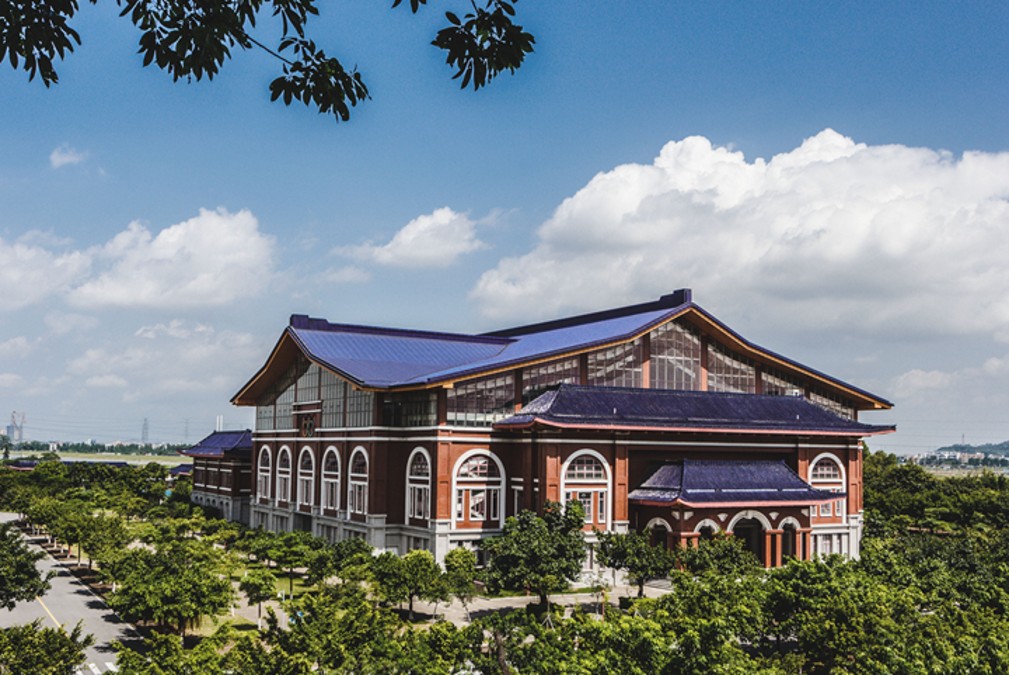
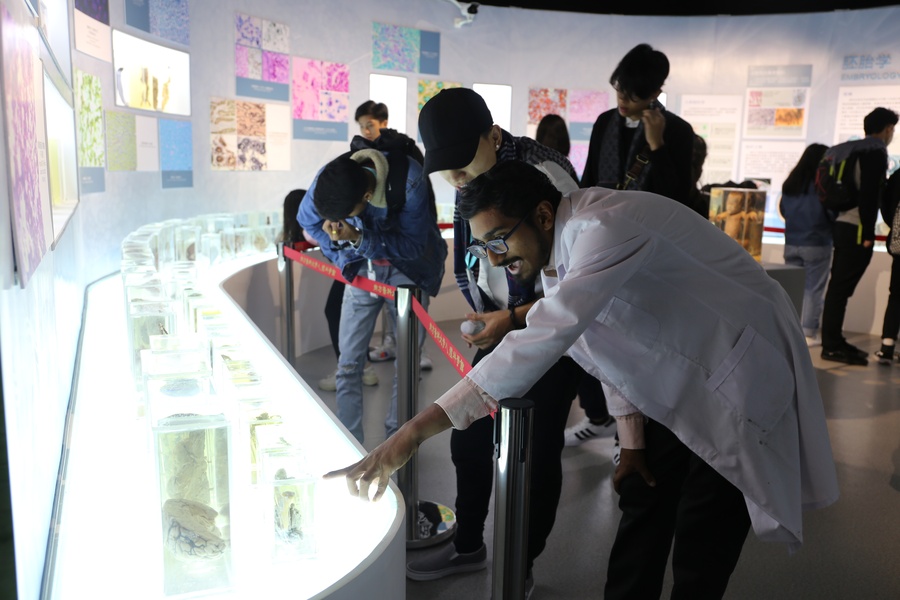
SMU supports learning through libraries at its Guangzhou and Shunde campuses, offering study spaces, online seat reservations, wireless internet and printing services. Students can access extensive digital resources, including international research databases, medical reference materials and educational videos, alongside support in medical information retrieval and management. The university’s Human Science Museum complements classroom learning with anatomical specimens and digital anatomy displays that bring the study of the human body to life..
Life on Campus
SMU supports learning through libraries at its Guangzhou and Shunde campuses, offering study spaces, online seat reservations, wireless internet and printing services. Students can access extensive digital resources, including international research databases, medical reference materials and educational videos, alongside support in medical information retrieval and management. The university’s Human Science Museum complements classroom learning with anatomical specimens and digital anatomy displays that bring the study of the human body to life..