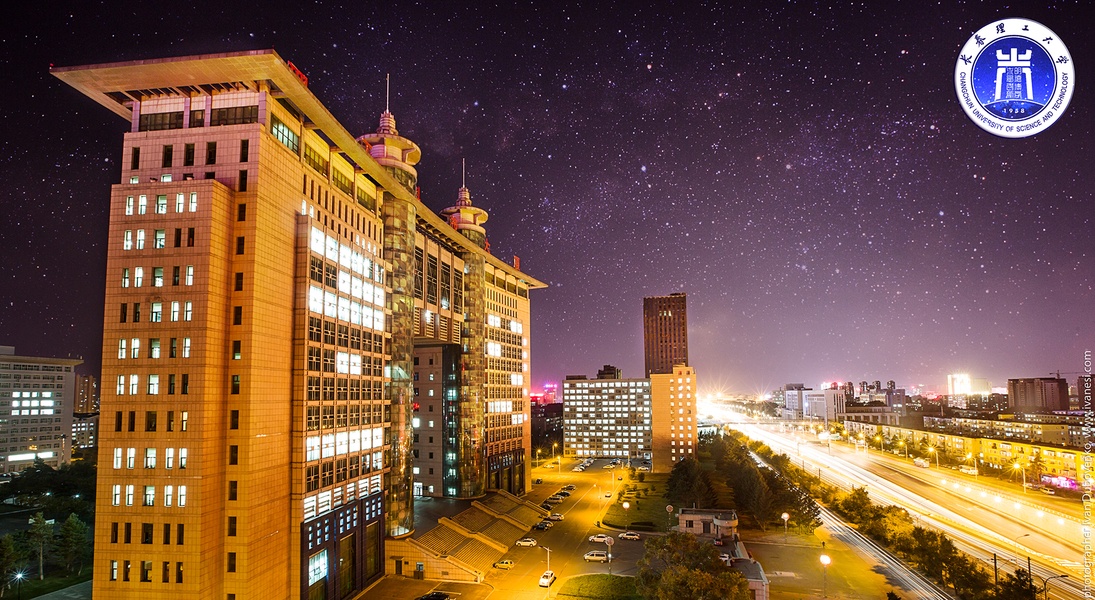
A leading university in optical science and engineering, with a proud heritage of technological innovation
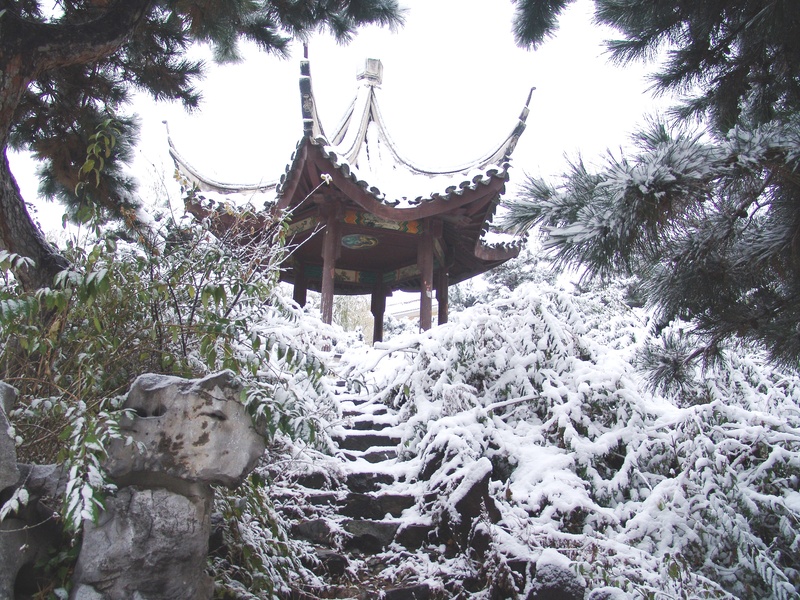
Explore the City of Changchun
A northeastern Chinese city combining automotive innovation and distinctive seasonal beauty
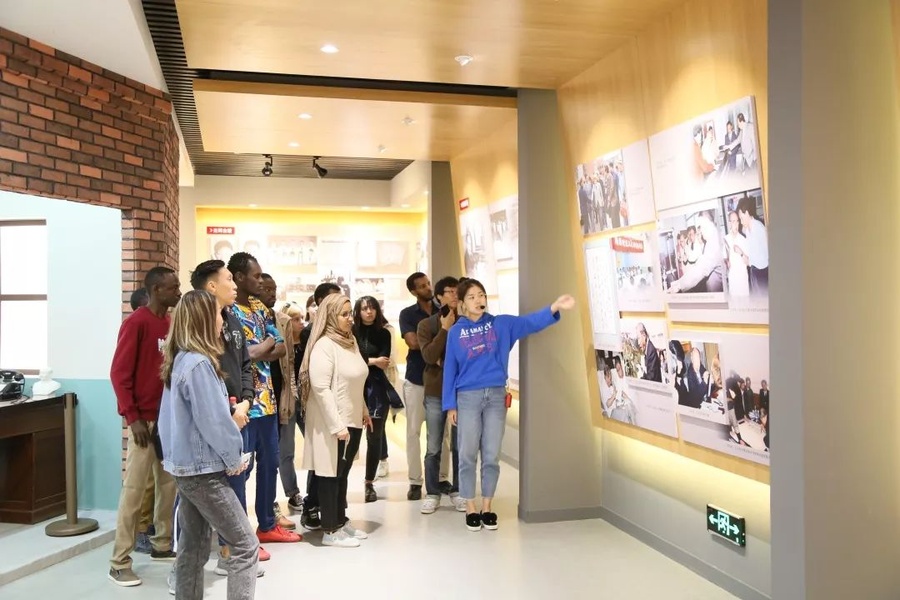
Discover Life at CUST
A welcoming community where scientific curiosity, cultural exchange and friendships enrich campus life
Study at CUST
A leading university in optical science and engineering, with a proud heritage of technological innovation
Explore the City of Changchun
A northeastern Chinese city combining automotive innovation and distinctive seasonal beauty
Discover Life at CUST
A welcoming community where scientific curiosity, cultural exchange and friendships enrich campus life
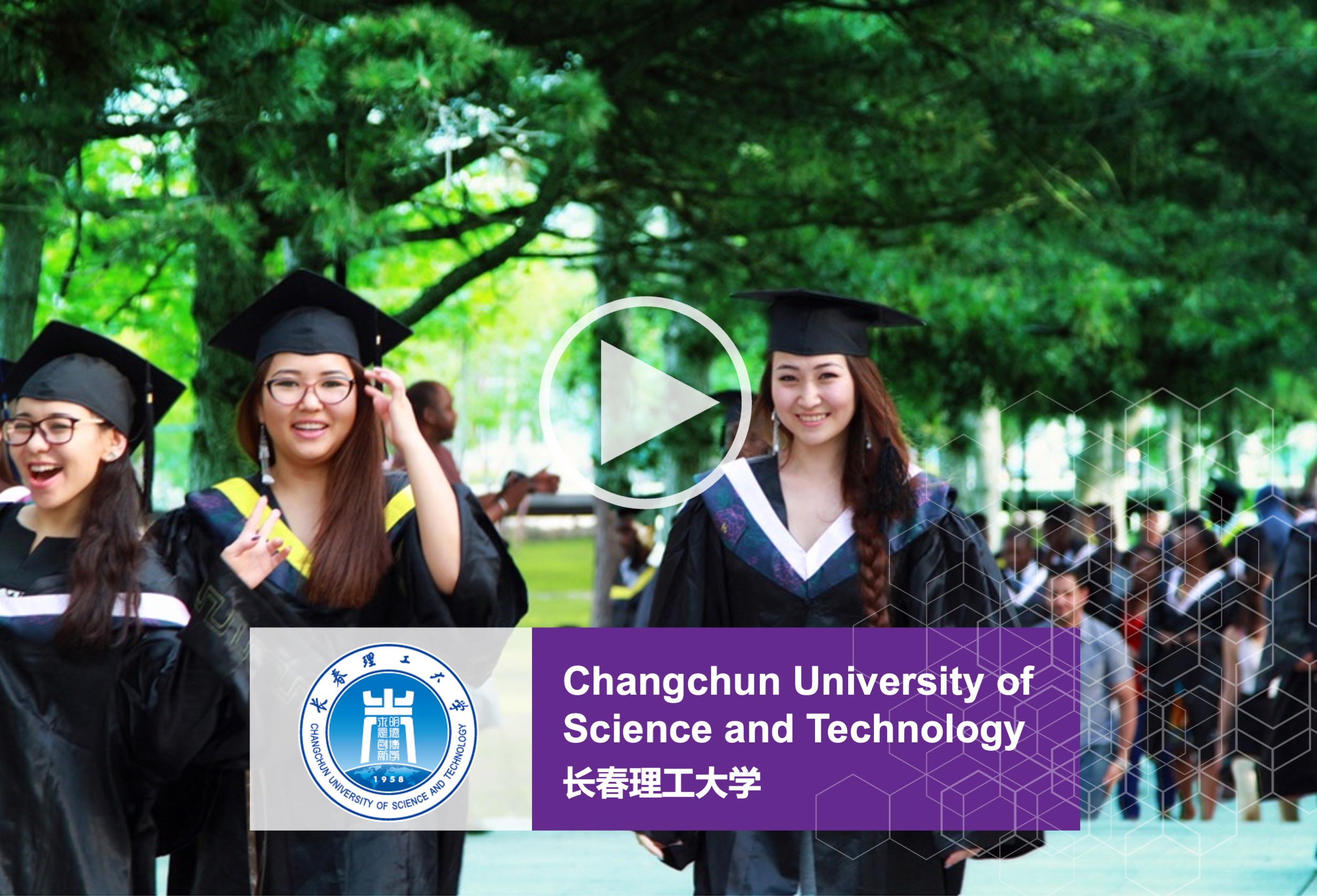
Welcome to CUST, a university with deep academic roots and a global outlook!
03:11
Changchun University of Science and Technology (CUST) was founded in 1958 by the Chinese Academy of Sciences. With renowned optical scientist Wang Daheng as its founding president, it became the first higher education institution in the People’s Republic of China dedicated to training specialists in optics.
Building on this heritage, CUST combines engineering and science with programmes in humanities, economics, management, law and the arts. Today, CUST is a key provincial university recognised for its distinctive strengths in optics and optoelectronic technology.
International Development of CUST
CUST has established a broad international cooperation network, maintaining long-term relationships with universities and research institutions in more than 20 countries.
As the Chinese lead institution for nanotechnology within the Shanghai Cooperation Organisation University network, it plays an active role in international academic collaboration. Its participation in university alliances and cooperation mechanisms connecting China with Russia, Arab countries and Africa further extends its global engagement.
Joint education is an important part of CUST’s international development. The university runs three undergraduate cooperative education programmes with partners in the United States, the United Kingdom and South Korea. Its joint institute with Russia’s ITMO University extends cooperation to doctoral-level education. Faculty exchanges, international research platforms and overseas study opportunities further support the exchange of knowledge and teaching expertise.
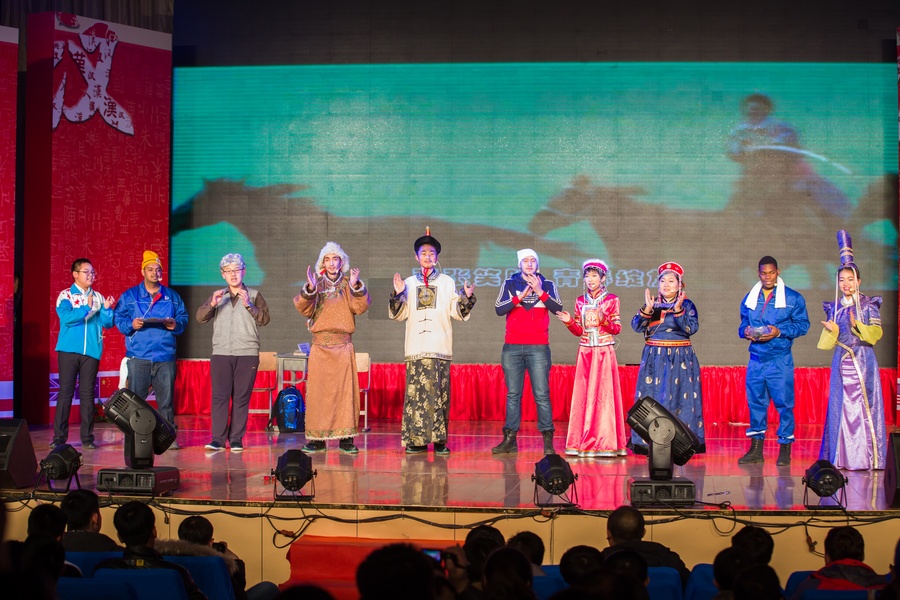
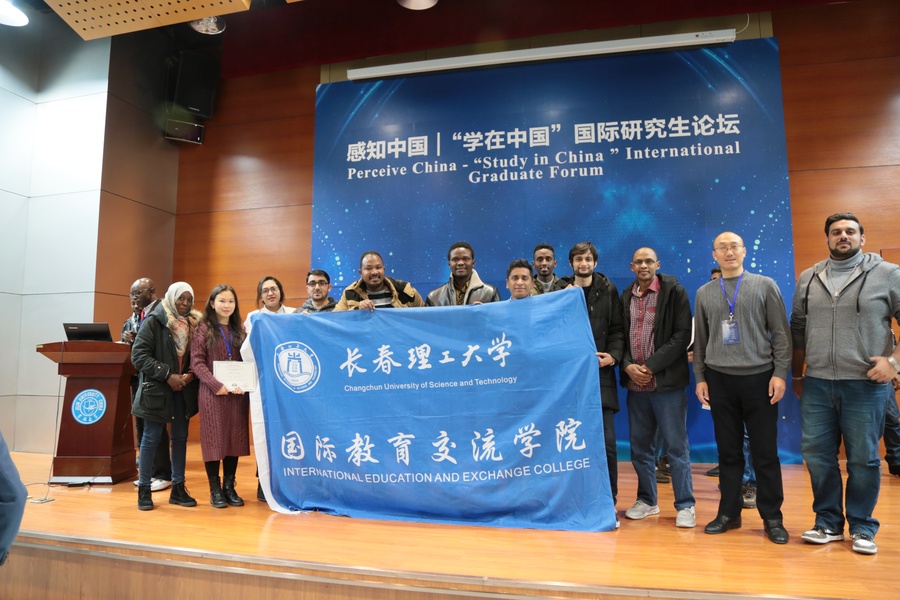
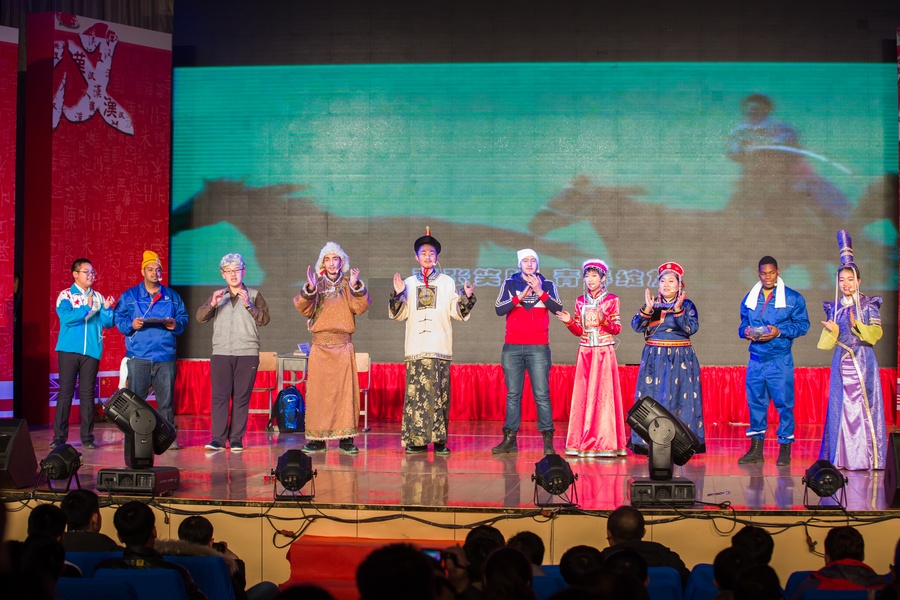
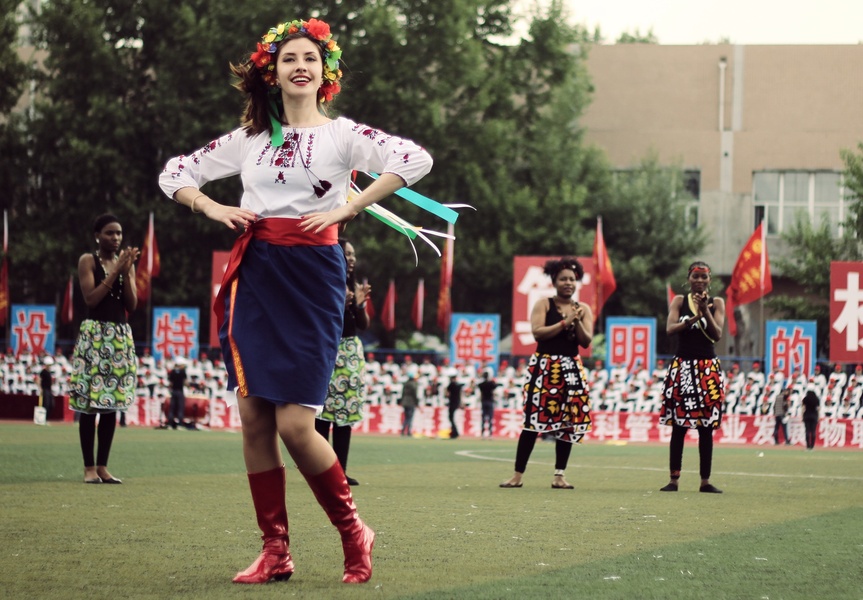
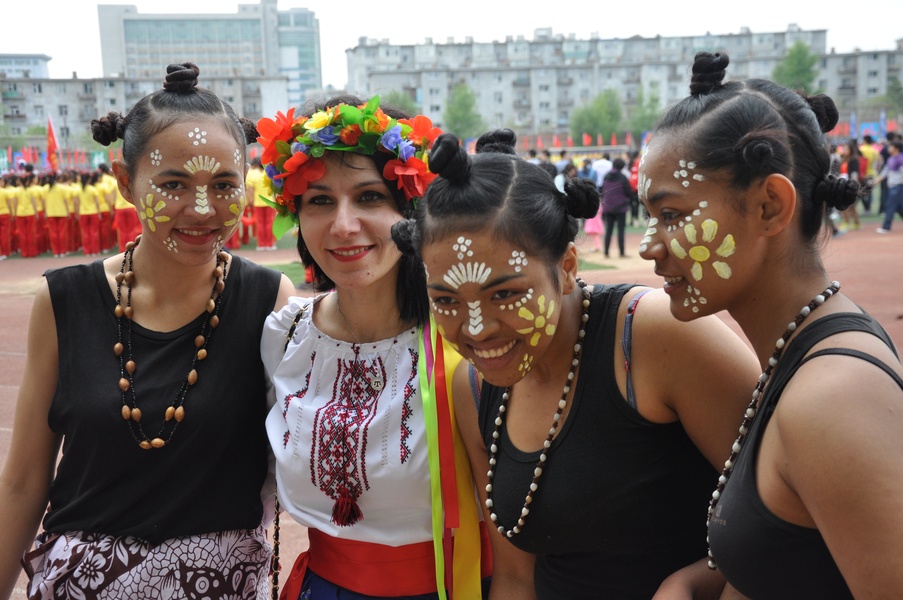
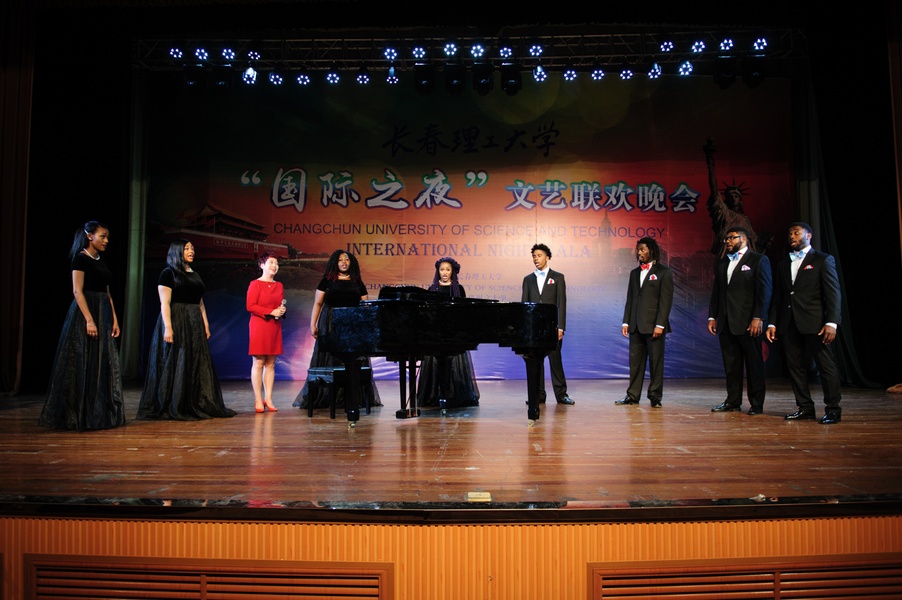
CUST also connects international education with its distinctive strengths in optical science and technology. Its “Light of China” international summer camp combines academic lectures, laboratory visits and engagement with optoelectronic businesses with Chinese language learning and cultural experiences. Alongside these initiatives, the university’s International Culture Exchange Association supports interaction between Chinese and international students, helping newcomers adapt to campus life and build friendships across cultures.
Key Facts & Figures
10000+
Current Students, including
1
International Students
1
National First-class
Undergraduate
Programmes
1
First-level Disciplines
for Master’s
Degrees
1
CCN
IFP Graduates
1+
Alumni
1
First-level Disciplines
for Doctoral Degrees
1
Postdoctoral
Research Stations
1
CCN Students on
Degree Programmes
Academic Strength
CUST’s academic identity is rooted in optics and optoelectronic engineering. Optical Engineering is a national key discipline and received an A rating in China’s fifth national discipline evaluation. Its School of Optoelectronic Engineering brings together expertise in optical instruments, detection and information engineering, optoelectronic measurement, and space-related testing, providing a strong foundation for specialist education and research.
Teaching emphasises innovation and practical engineering capability. CUST has 22 nationally recognised first-class undergraduate programmes and 16 national first-class undergraduate courses, while 11 programmes have passed China’s engineering education accreditation.
Four national experimental teaching demonstration centres and two national virtual simulation experimental teaching centres support practical learning, allowing students to develop technical understanding through experimentation and applied problem-solving.
Beyond its optical specialisms, CUST has research strengths in lasers, communications, advanced manufacturing, computing, optoelectronic functional materials, nanomaterials and biomedical engineering. These technical fields sit alongside programmes and research in economics, management, law and Chinese language and literature. This multidisciplinary foundation supports students in developing specialist knowledge while understanding the wider technological, economic and social contexts in which it can be applied.
32
Provincial and Ministerial Key Laboratories
28
Provincial and Ministerial Engineering Research Centres
11
Accredited Engineering Programmes
30
Academicians of Chinese Academies of Sciences & Engineering
National Recognition
National First-Class Undergraduate Programmes:
22
National First-Class Undergraduate Courses:
16
Asian University Rankings (Eastern Asia):
#81
National Teaching Achievement Awards:
5
National Experimental Teaching Demonstration Centres:
4
Asian University Rankings (Eastern Asia):
#81
University Facilities
Teaching & Learning
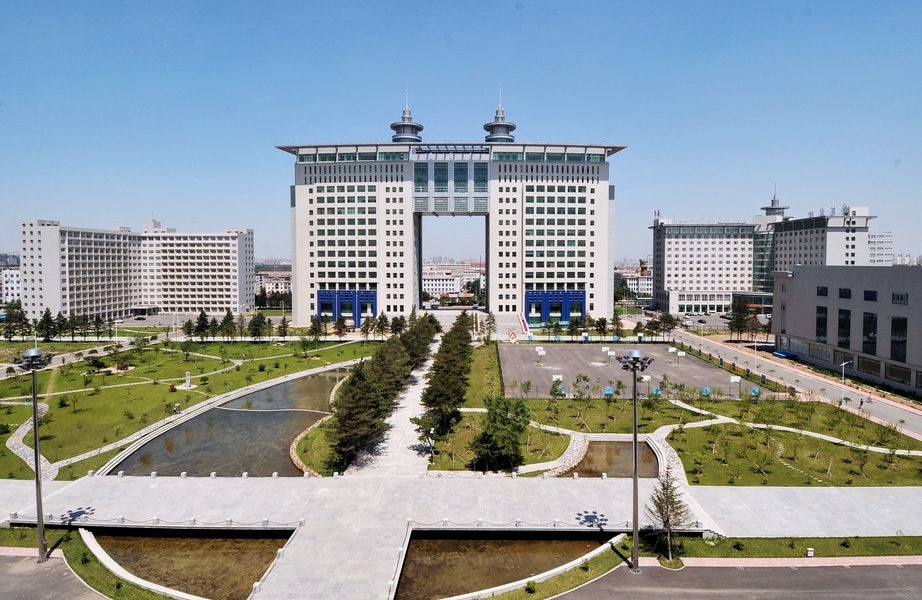
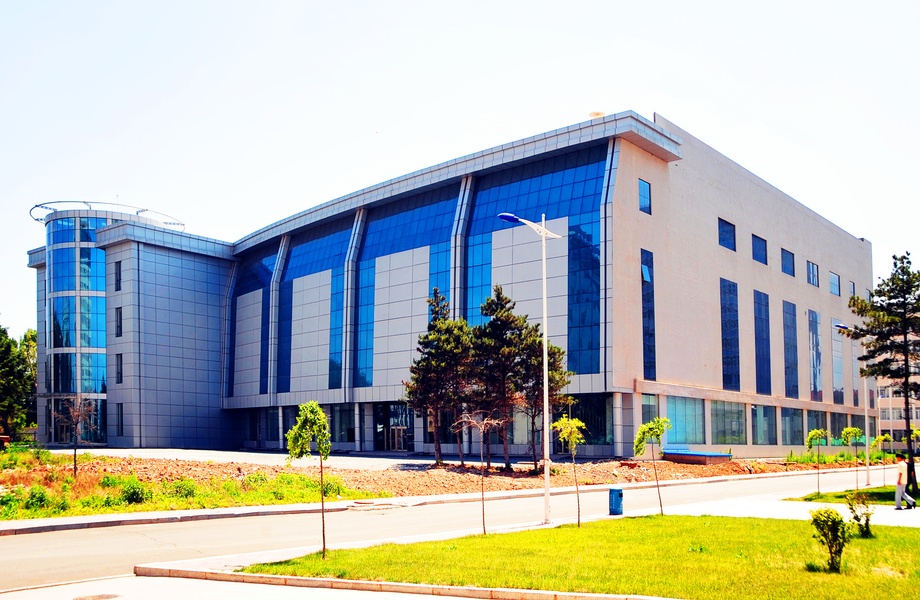
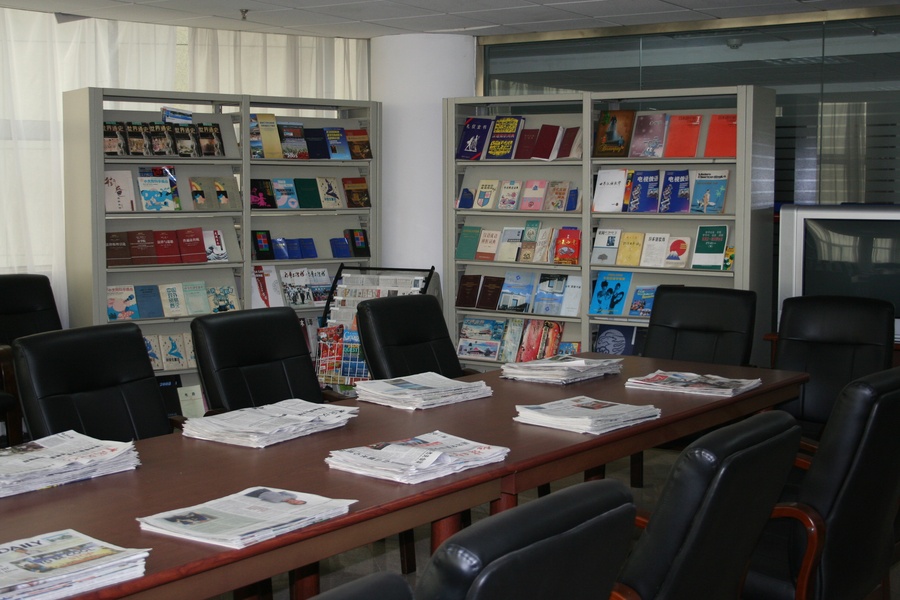
CUST supports academic study through smart classrooms, specialist laboratories, libraries and dedicated spaces for independent learning. Its experimental teaching facilities help students connect scientific principles with practical engineering applications. At the Chunming Lake Campus, the library, opened in September 2025, includes academic discussion areas, exhibition spaces and informal reading corners, complementing classroom teaching with opportunities for collaborative learning and exploration. Together, these facilities provide an environment for students to develop technical knowledge, research skills and innovative thinking.
Life on Campus
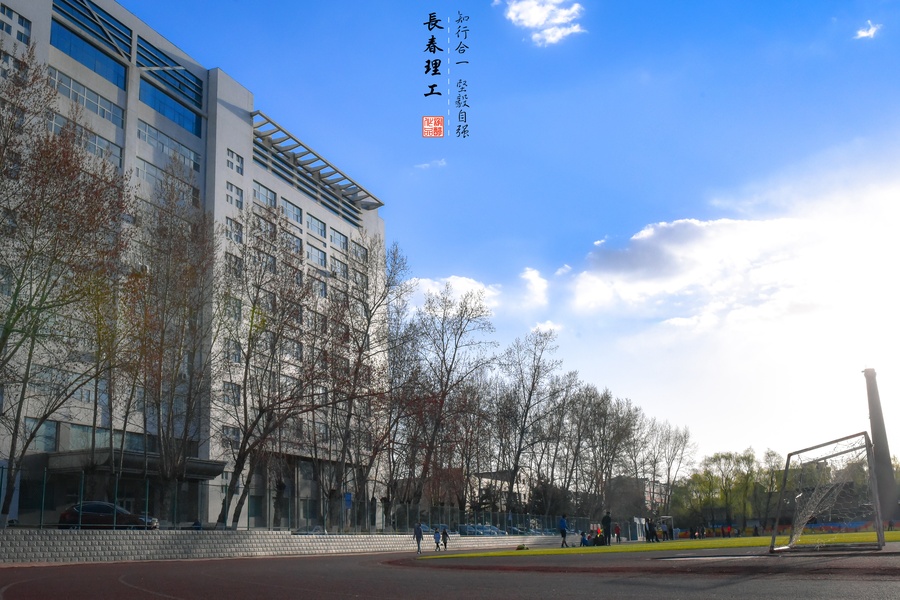
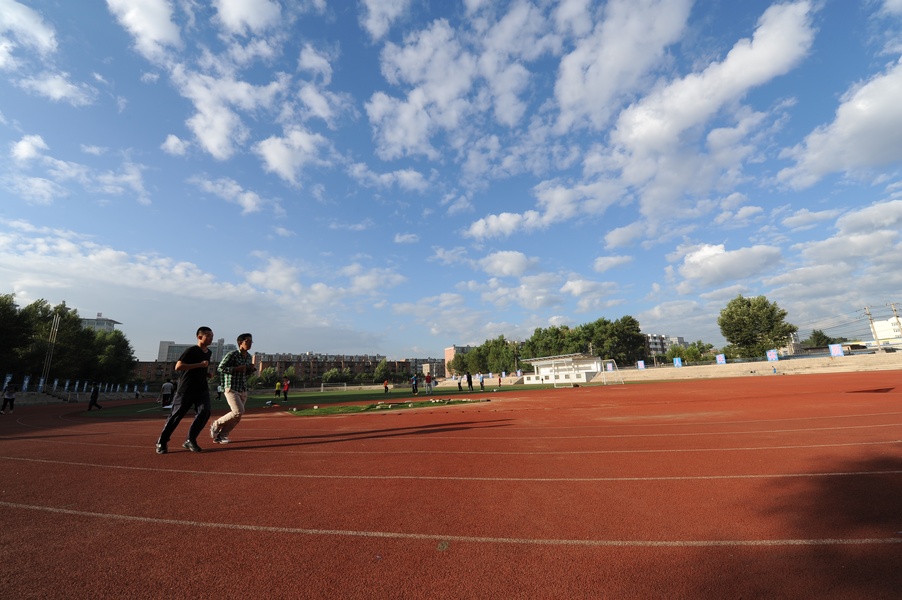
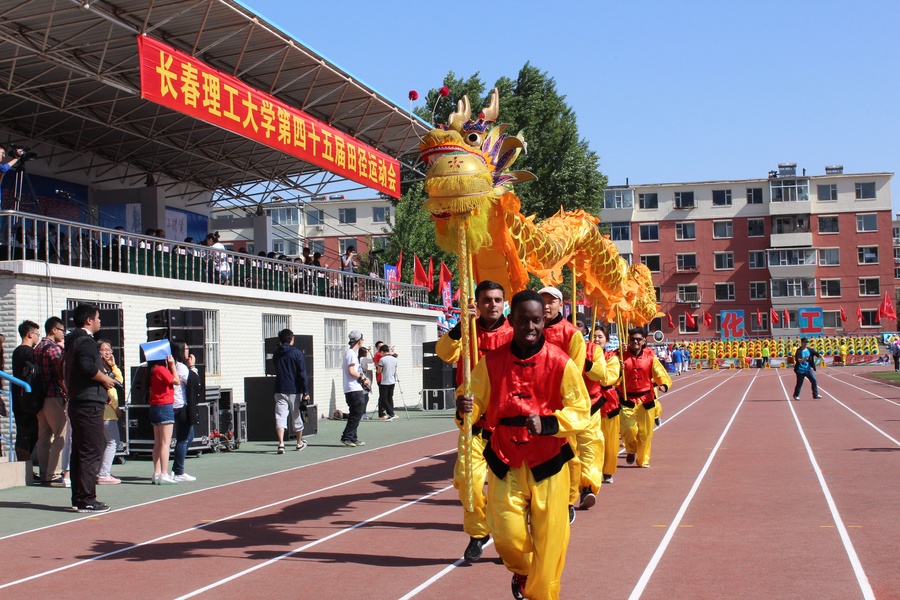
CUST’s Chaoyang and Chunming Lake campuses provide student accommodation, dining halls, sports grounds and convenient everyday services, including supermarkets, printing shops and parcel collection points. The centrally located Chaoyang Campus offers easy access to shopping and city amenities, while Chunming Lake Campus features spacious grounds and a peaceful lakeside setting. Student societies, cultural and sporting events, and volunteering opportunities offer ways to meet others, pursue interests and balance academic commitments with an active campus life.