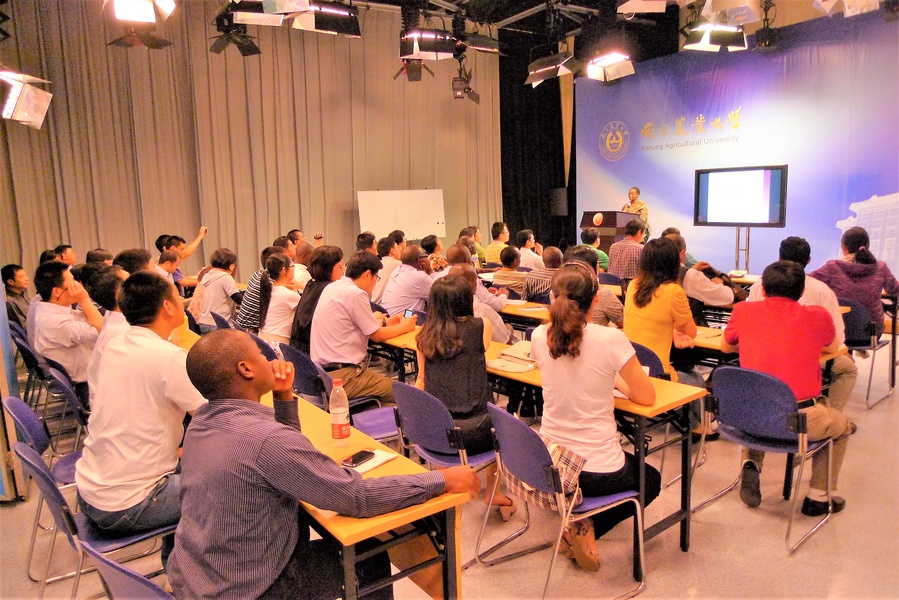
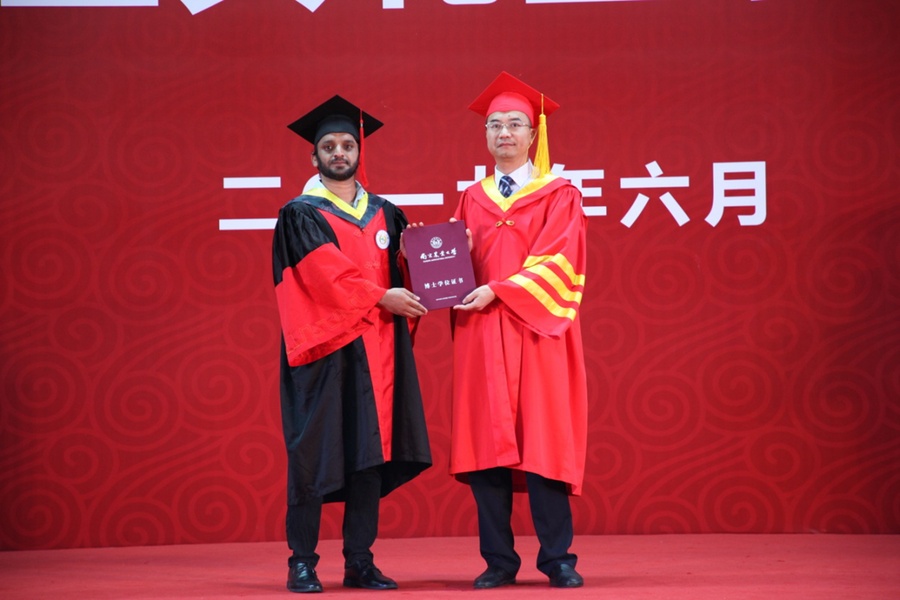
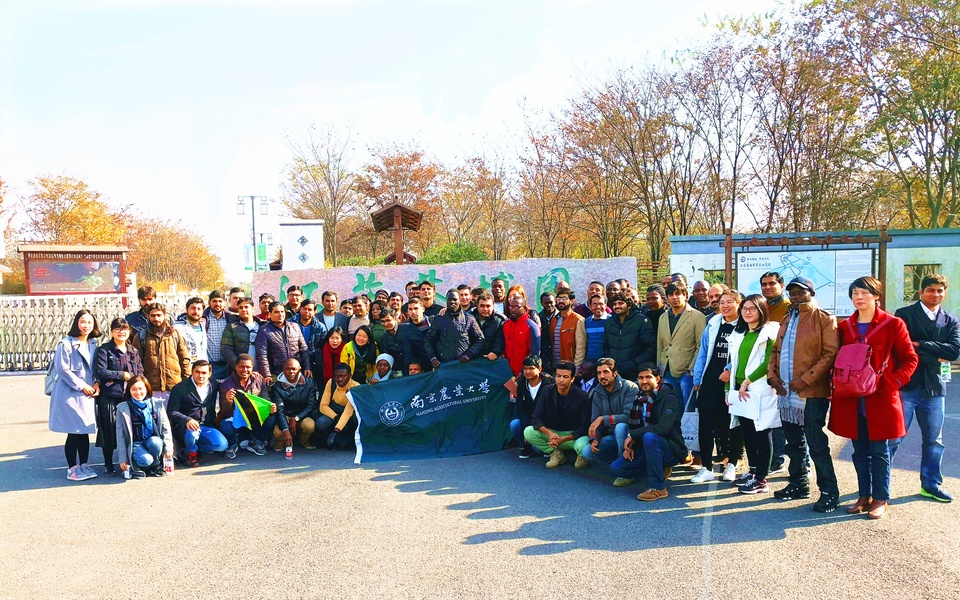
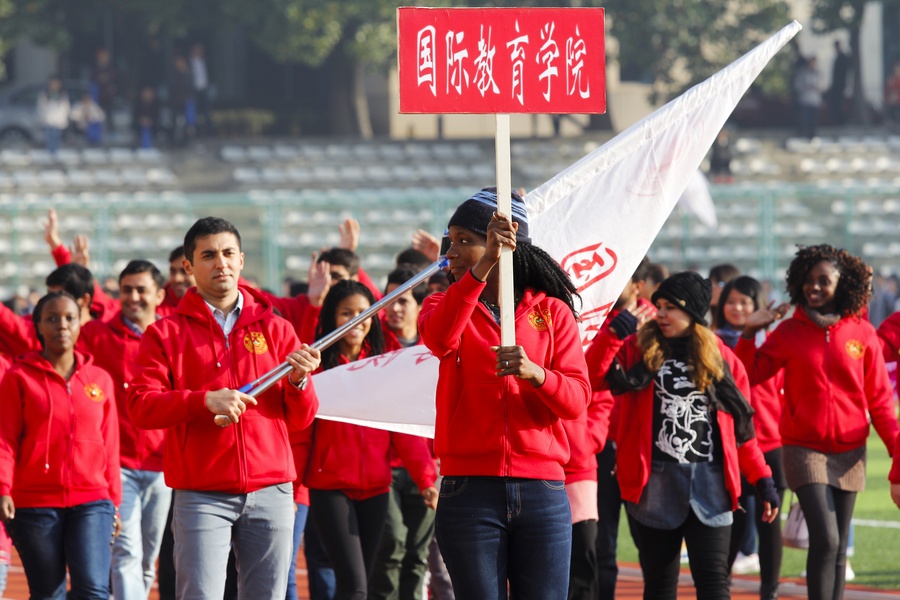
A leading university with distinguished strengths in agriculture, life sciences and interdisciplinary innovation
Explore the City of Nanjing
China’s ancient capital of six dynasties, where rich cultural heritage meets modern urban life
Discover Life at NAU
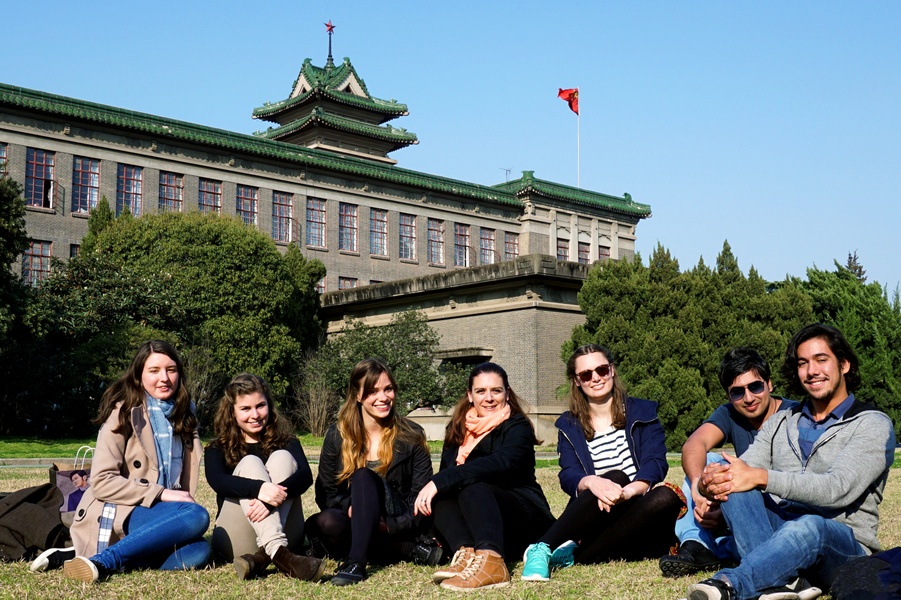
A welcoming campus community where academic discovery and cultural exchange enrich life in historic Nanjing
Study at NAU
A leading university with distinguished strengths in agriculture, life sciences and interdisciplinary innovation
Explore the City of Nanjing
China’s ancient capital of six dynasties, where rich cultural heritage meets modern urban life
Discover Life at NAU
A welcoming campus community where academic discovery and cultural exchange enrich life in historic Nanjing
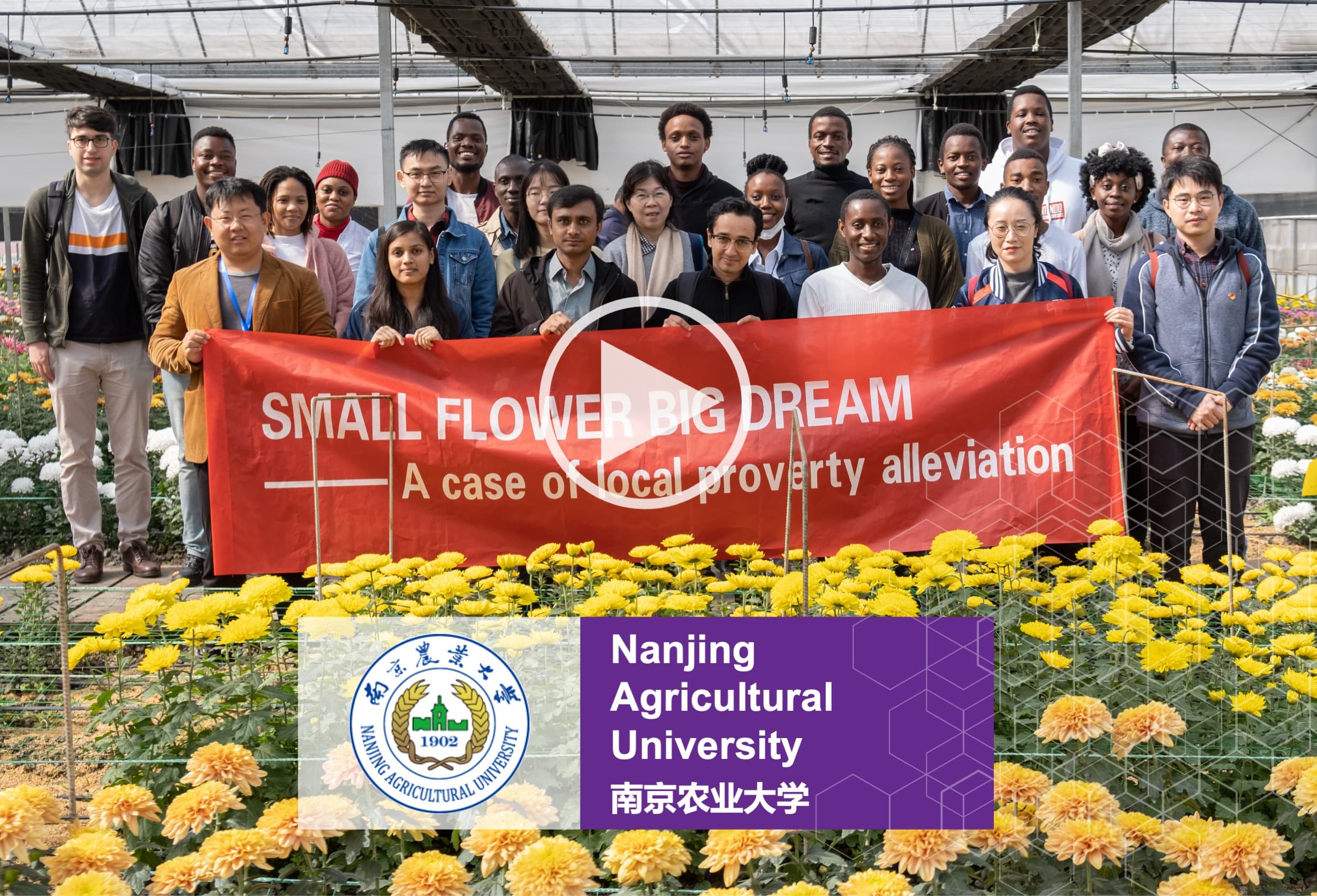
Welcome to NAU, a national key university rooted in agricultural excellence!
xx:xx
Nanjing Agricultural University (NAU) is a national key university and included in the national “Double First-Class” initiative. It combines a distinguished heritage in agriculture and life sciences with broad academic offerings in science, economics, management, engineering, humanities and law.
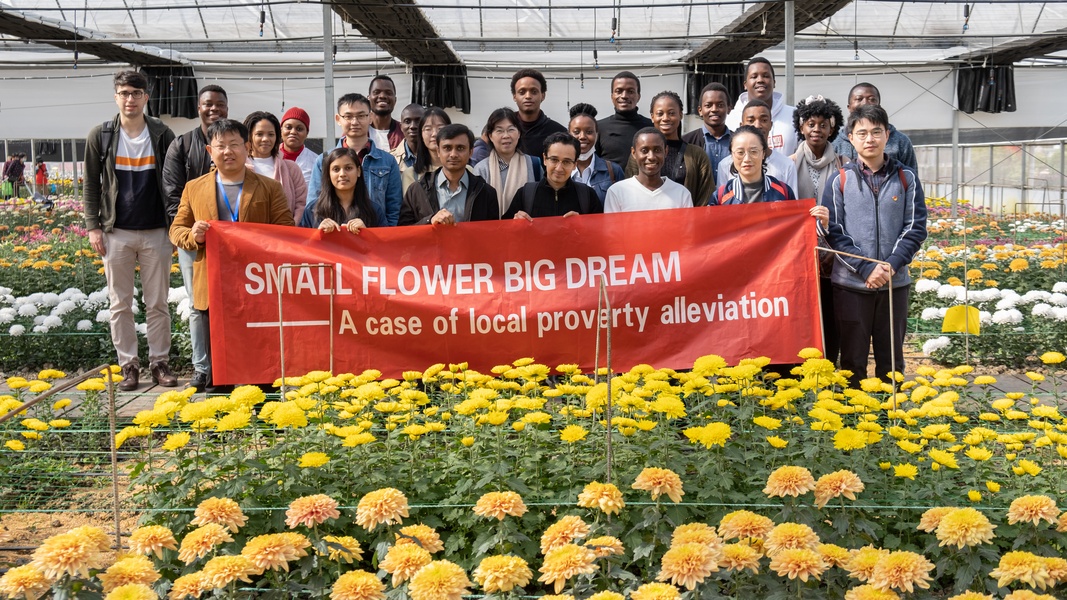
NAU brings together research, practical learning and international collaboration to address challenges in agriculture, food security and environmental sustainability. Its multidisciplinary learning environment offers international students opportunities to develop specialist knowledge, broaden their perspectives and connect with a global academic community.
International Development of NAU
NAU has developed an extensive international network, maintaining partnerships with more than 180 universities and research institutions across over 50 countries and regions. These relationships support joint education, academic exchange and collaborative research, connecting the university’s agricultural and life sciences expertise with international knowledge and perspectives. Partners include the University of California, Davis, Michigan State University, Ghent University and Massey University.
International cooperation extends beyond institutional partnerships to engagement with global organisations.
NAU has signed cooperation agreements with the World Food Programme and the International Potato Center’s China Center for Asia Pacific, and established a joint research centre with the International Rice Research Institute. Its strategic cooperation with the Food and Agriculture Organisation of the United Nations supports work in areas including One Health and capacity building, linking academic expertise with international development priorities.
The university also plays an active role in regional agricultural cooperation. In 2023, it initiated the Asian Agricultural Science and Technology Innovation Alliance, bringing together universities, research institutions and enterprises to strengthen education, research and knowledge exchange. The alliance promotes internationally minded talent development and collaborative responses to agricultural challenges, with a shared commitment to sustainable development across Asia and beyond.
Digital innovation is becoming an important dimension of these international partnerships. The alliance’s 2024 annual meeting, jointly organised by NAU and Chiang Mai University in Thailand, focused on digital education, artificial intelligence and knowledge sharing in agricultural teaching and research. Such initiatives reflect NAU’s commitment to connecting international cooperation with emerging technologies and the changing needs of agriculture.
Key Facts & Figures
10000+
Current Students, including
1+
International Students
1
Undergraduate
Programmes
1
First-level Disciplines
for Master’s Degrees
1
CCN
IFP Graduates
1+
Alumni, including
1+
Academicians
1
First-level Disciplines
for Doctoral Degrees
1
Post-doctoral
Research Stations
1
CCN Students on
Degree Programmes
Academic Strength
NAU combines established strengths in agriculture and life sciences with expertise across science, engineering, economics, management, humanities and law.
In China’s fourth national discipline evaluation, Crop Science, Agricultural Resources and Environment, Plant Protection, and Agricultural and Forestry Economics and Management received A+ ratings. Public Administration, Food Science and Engineering, and Horticulture also achieved ratings within the A category, demonstrating strengths extending beyond its traditional agricultural specialisms.
The university’s research influence is reflected in its performance in the Essential Science Indicators (ESI). As of September 2026, 14 subject areas were among the global top 1%, with Agricultural Sciences, Plant & Animal Science, Environment/Ecology, and Microbiology reaching the top 0.1%. Agricultural Sciences and Plant & Animal Science ranked within the top 0.01%, highlighting NAU’s particularly strong international research standing in these fields.
NAU’s research infrastructure includes 133 national, provincial and ministerial research platforms, covering areas such as crop genetics, germplasm innovation, agricultural biosecurity and food quality. The research activity supports its contribution to agricultural innovation, rural development and the application of scientific knowledge to real-world challenges.
14
Subject Areas in the ESI Global Top 1%
2
Subject Areas in the ESI Global Top 0.01%
133
National, Provincial and Ministerial Research Platforms
30
Academicians of Chinese Academies of Sciences & Engineering
2026-2027
Best Global Universities:
#318
Best Global Universities in Asia:
#75
Plant and Animal Science:
#2
National Recognition
A+ Disciplines in China’s Fourth National Discipline Evaluation:
4
National Key First-Level Disciplines:
4
Asian University Rankings (Eastern Asia):
#81
National Science and Technology Awards:
5
National Experimental Teaching Demonstration Centres:
4
Asian University Rankings (Eastern Asia):
#81
University Facilities
Teaching & Learning
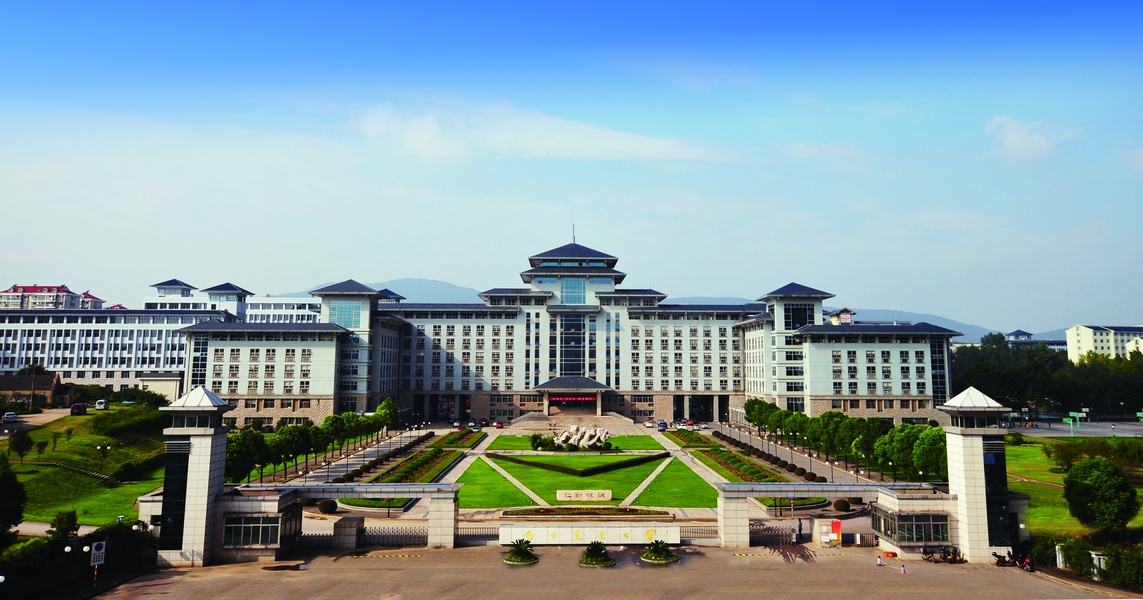
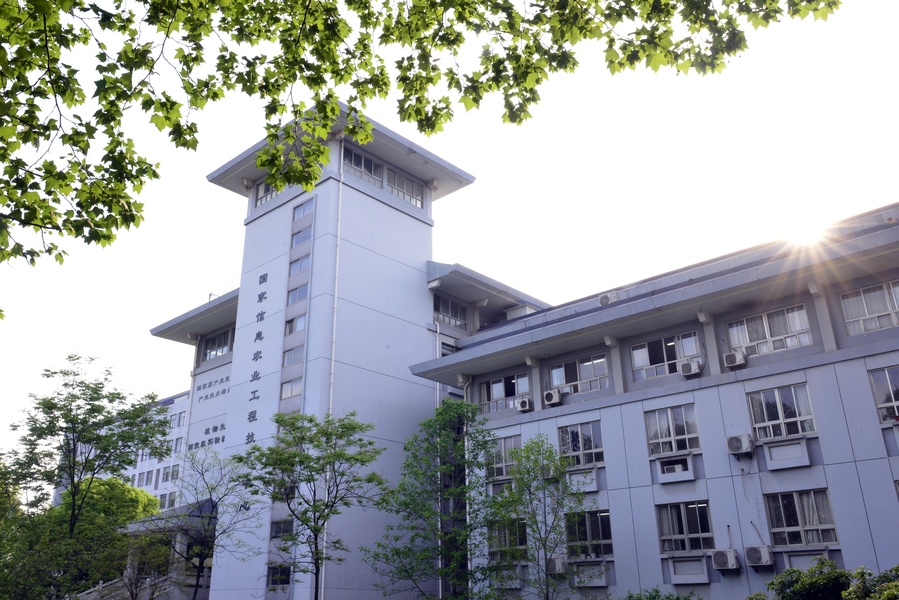
NAU supports teaching and research through specialist laboratories, experimental teaching centres and extensive library resources. Its collections include approximately 2.35 million printed volumes and more than five million Chinese e-books, supporting coursework, independent study and research. The Binjiang Campus brings together teaching buildings, research facilities and a library, while the university’s teaching and research bases provide settings for practical learning. Together, these resources help students connect academic knowledge with experimentation and real-world applications.
Life on Campus
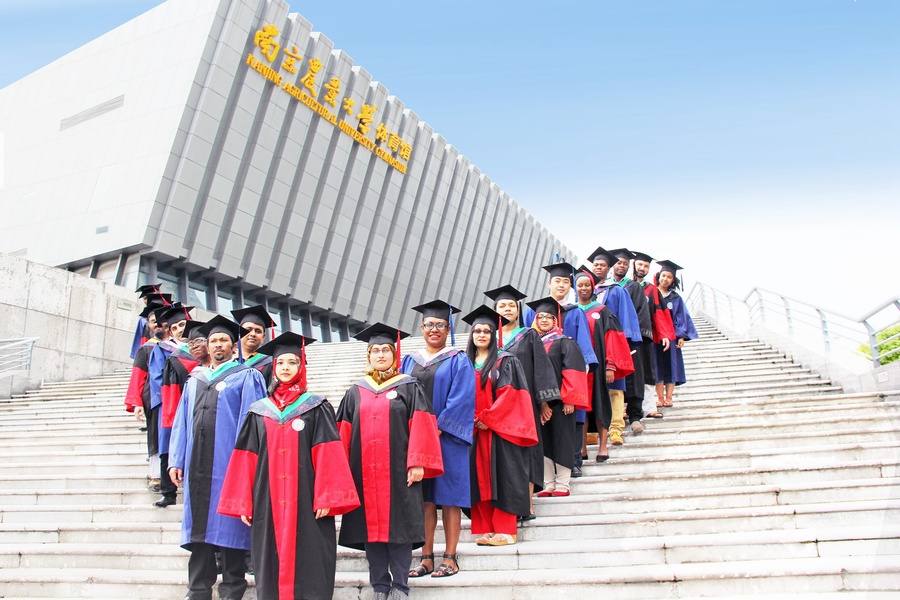
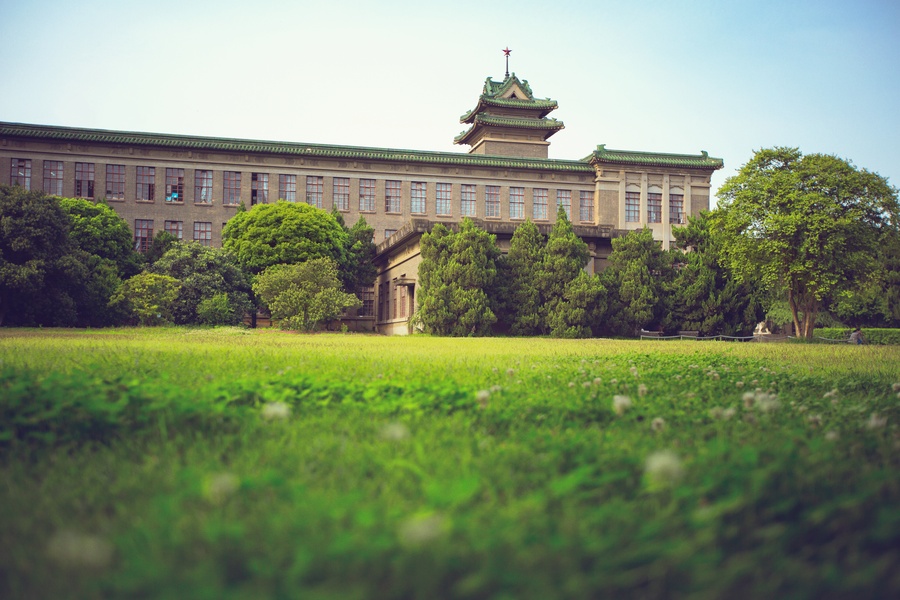
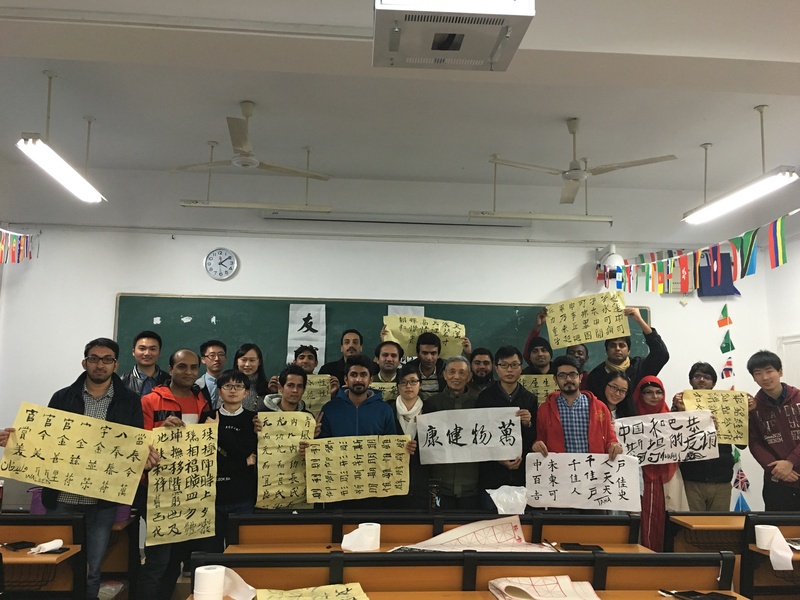
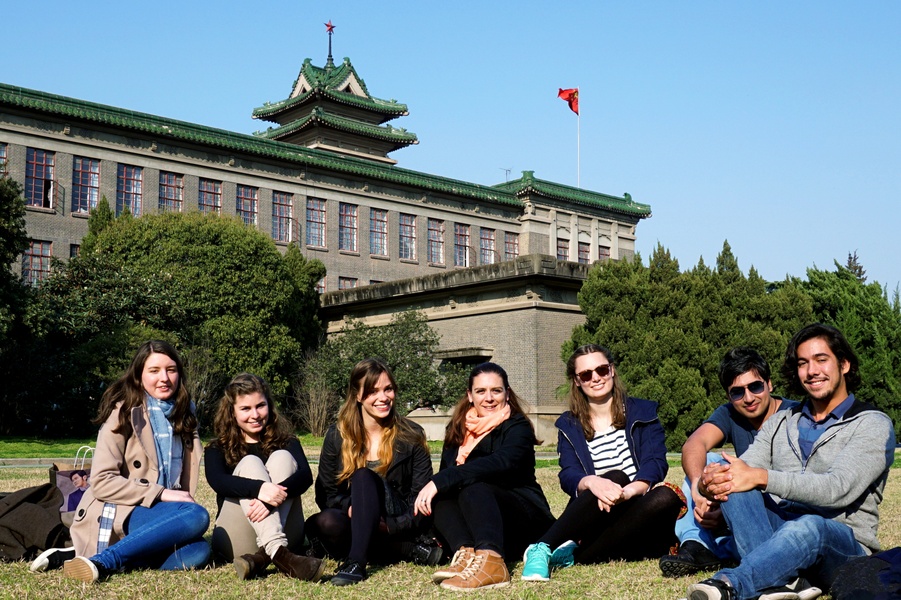
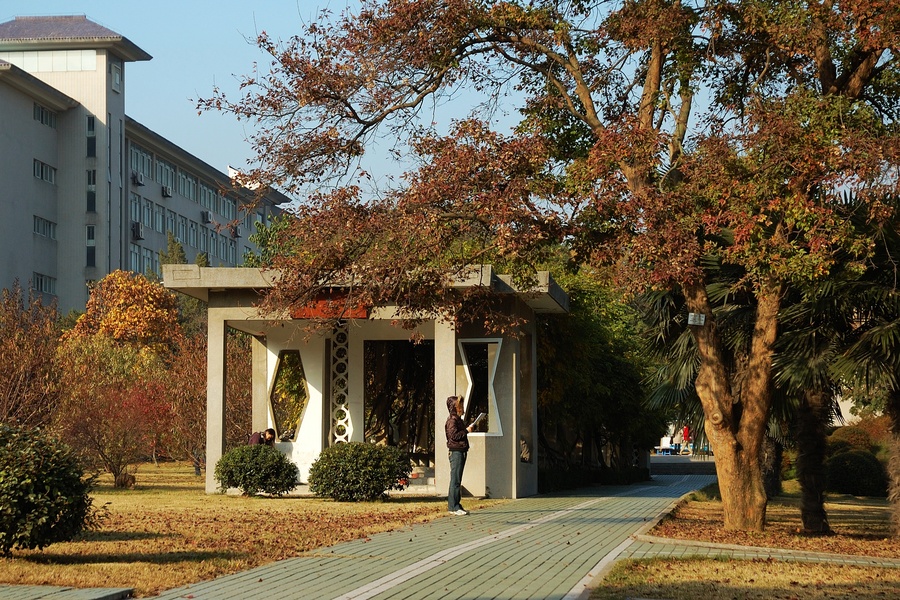
NAU offers a welcoming campus environment with student accommodation, dining facilities, sports venues and spaces for social activities. At the Binjiang Campus, student residences, dining halls, sports grounds and a student activity centre support everyday living alongside opportunities for exercise and recreation.
Campus services also include shopping, parcel delivery and medical support, while cultural, sporting and sightseeing activities help international students meet others and experience life in China. Continued investment in accommodation across the university’s campuses further enhances the student living environment.