2025-2026 CCN Mathematics and Physics Teaching Training Seminar
2025-2026 CCN Mathematics and Physics Teaching Training Seminar
27/05/2026
00:35
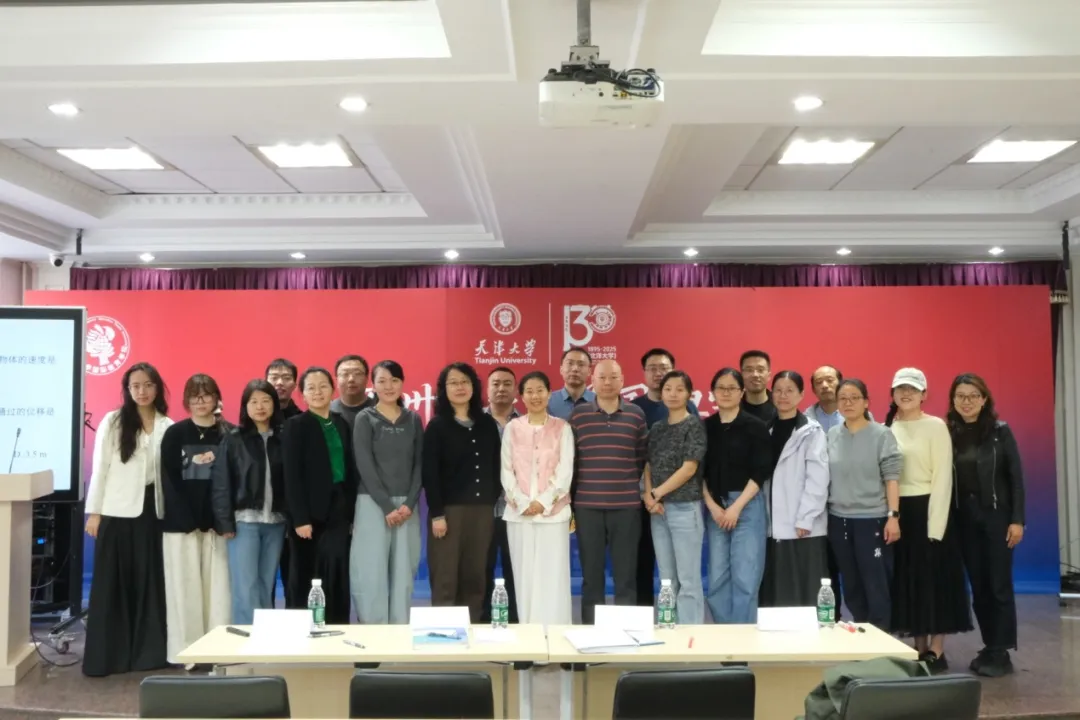
2025-2026 AcademicYear CCN IFP Mathematics and Physics Subject Teaching Training Seminar was successfully held at the beautiful campus of Tianjin University on April 11–12, 2026.Hosted by the CCN Academic Management Center and CCN IFP Centre at Tianjin University.More than 20 teachers from CCN IFP centres, including mathematics and physics subject teachers, Chinese for Mathematics and Physics teachers, and IFP centre teaching management personnel, attended this teaching training seminar.
As an annual regular teaching training activity within the CCN academic system, this seminar was conducted in the context of the newly released CSCA examination framework. It represents an important offline academic exchange and teaching capacity-building activity aligned with the latest standards for international foundation education. Associate Professor Ren Weiyun from the School of Mathematics and Associate Professor Xiao Lifeng from the School of Science of Tianjin University were invited as subject experts. The seminar was chaired by Ms. Gao Yuan, Academic Teaching Director of the CCN Academic Management Center.Through a combination of collaborative learning and research-oriented engagement, participating teachers worked together to enhance teaching practices and further advance the quality of mathematics and physics education within the CCN IFP.
This IFP Mathematics and Physics Teaching Training Seminar was organised around the objectives of “unifying standards, reinforcing methods, and enhancing effectiveness.” The training content was divided into three modules: Programme Introduction, Expert Demonstrations, and Practical Simulations. Together, these modules provided systematic support for CCN IFP centres to continuously improve teaching quality under the new academic framework.

Programme Introduction Module: Anchoring Dual-High Goals and Consolidating the Teaching Foundation
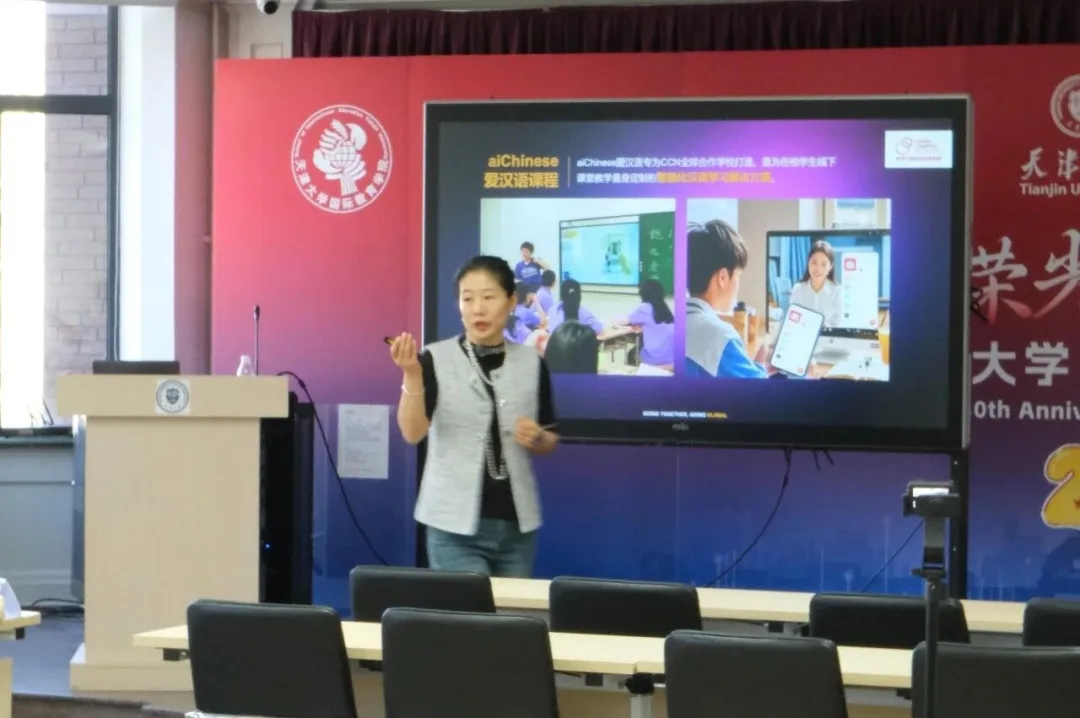
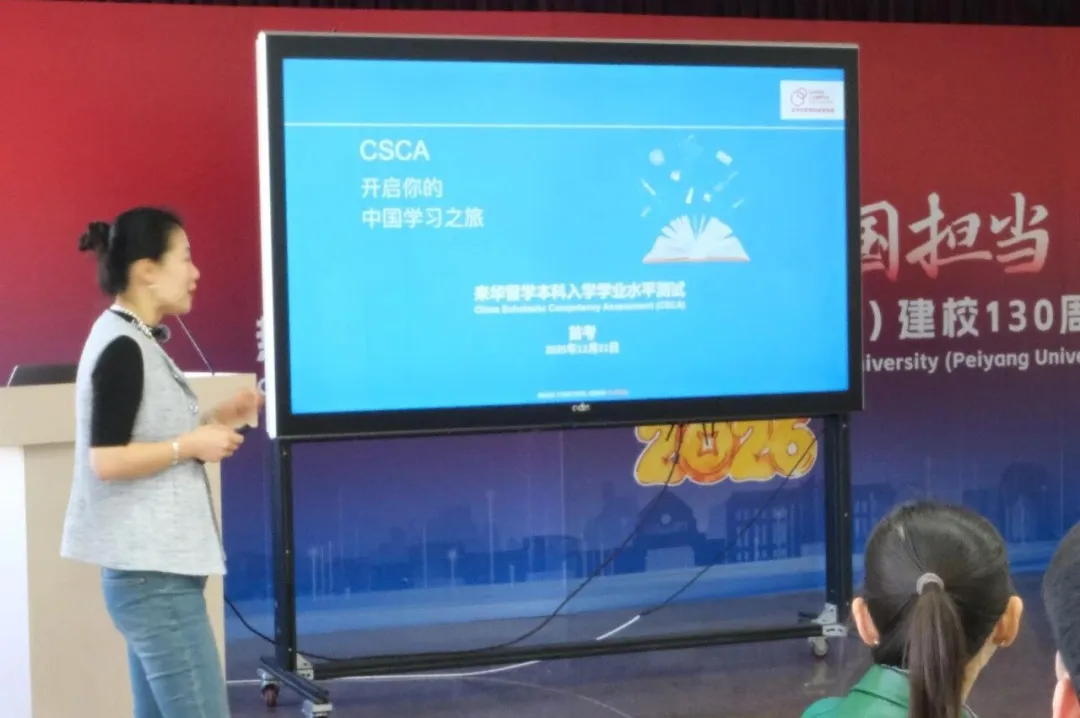
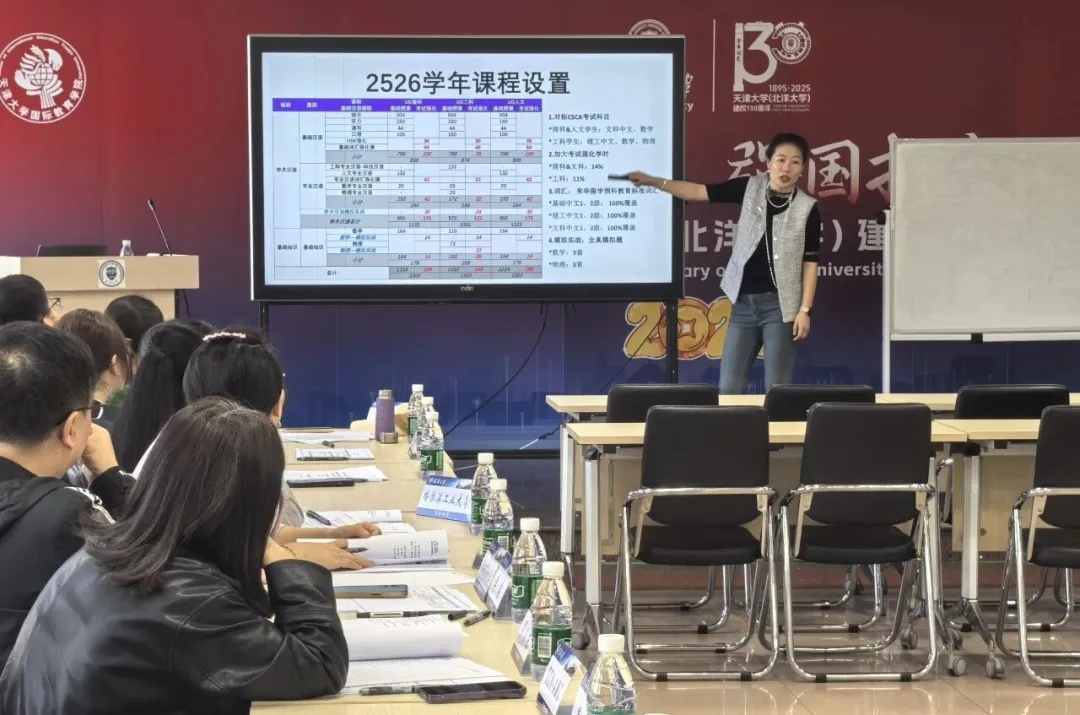
The CCN Academic Management Center team presented a “CCN International Foundation Programme Construction Progress Report,” presenting the key achievements of the 2024–2025 academic year and outlining the teaching objectives and implementation strategies for 2025–2026.
1.Two Key Achievements of the 2024–2025 Academic Year:
First, the successful implementation of the aiChinese intelligent Chinese language programme in overseas high schools,achieving standardised in-class interaction and personalised after-class learning.
Second, in the pilot test of the CSCA, CCN students achieved excellent results, with their average scores in Mathematics and Physics significantly exceeding the national average.
2.Focusing on the 2025-2026 academic year teaching objectives – the dual-core goals of “high IFP graduation exam scores and high CSCA scores” – CCN has launched three major implementation actions:
Product Upgrade: Full Implementation of IFP 2.0
In Mathematics and Physics, teaching hour allocation has been optimized, with dedicated CSCA preparation modules integrated into the curriculum. Full-length mock examinations for both subjects have been developed to closely align with CSCA assessment requirements.
Addressing the characteristics of CCN students – strong foundations in mathematics and physics but significant language barriers – implement a collaborative model of “single teacher for dual subjects / dual teachers for dual subjects” to ensure seamless integration of subject-specific Chinese with mathematics and physics subjects, guaranteeing optimal teaching and learning outcomes.
Clarify the mathematics and physics assessment framework, including the weightings for attendance, monthly exams, mid-term exams, and final graduation exams, to standardise the teaching evaluation system.
Precise Understanding of Student Learning Profiles: In-depth Analysis of Source Country Differences among CCN Students
Systematically compare the high school mathematics and physics curricula of major source countries (such as Russia, Vietnam, Malaysia, and Thailand) with the CCN IFP syllabus, helping teachers fully understand students’ knowledge foundations.
A pre-enrolment diagnostic toolkit has been introduced, including student background profiles, mathematics and physics knowledge questionnaires, entrance level assessments, offering data support for differentiated instruction and precision teaching.
Quality Assurance Loop: Comprehensive Post-Assessment Tracking
A full-cycle quality enhancement mechanism has been established, encompassing post-assessment analysis, targeted intervention planning, and effectiveness review. Leveraging the CCN Global Digital Campus Assessment Analytics System, teachers are empowered with multi-dimensional insights—including overall performance, response patterns, knowledge point mastery, and country-specific differences—to accurately identify teaching gaps and enhance teaching quality in a targeted manner.
Expert Demonstration Module: Translating Experience into Teaching Methodology
AssociateProfessor Ren Weiyun from School of Mathematics and Associate Professor Xiao Lifeng from School of Science of Tianjin University, as experts in IFP mathematics and physics teaching, both seasoned experts with over a decade of experience in foundation programme teaching – delivered dedicated teaching guidance and demonstrations for mathematics and physics respectively. The two experts directly addressed the core challenges of teaching mathematics and physics to international students, summarised practical strategies and teaching “pitfall” avoidance guidelines, and established a rational cognitive framework for participating teachers regarding the principles and methods of teaching mathematics and physics subjects.
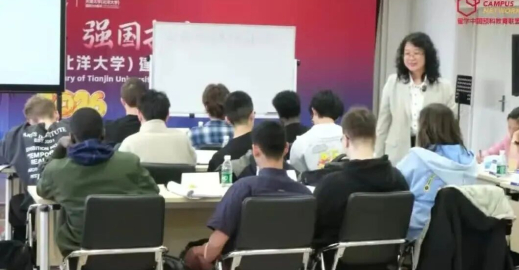
Following this, the experts conducted a complete and authentic “teaching demonstration” lesson, showcasing standard IFP mathematics and physics classroom teaching processes and addressing challenges that may arise in real teacher-student interactions. Taking advantage of the realistic teaching scenarios, the experts analyzed their own demonstration lessons’ teaching designs and teaching interaction handling strategies, helping participating IFP teachers gain a deeper understanding of how to apply expert-shared teaching principles and methods in real IFP mathematics and physics classrooms.
Mathematics Teaching Session | Associate Professor Ren Weiyun
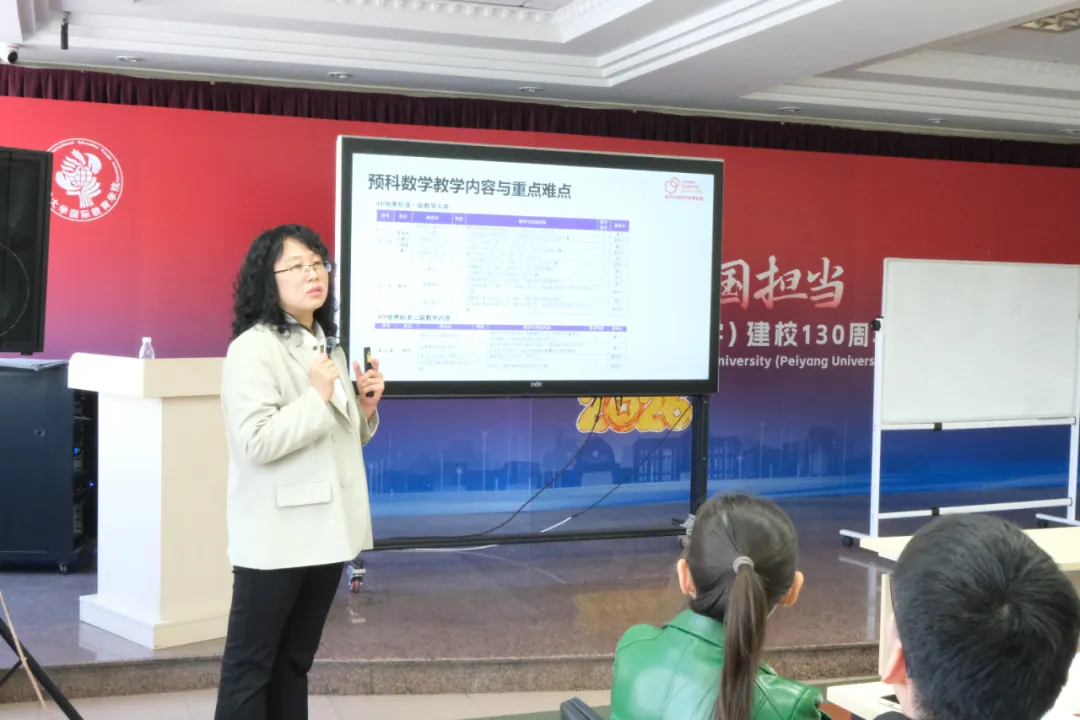
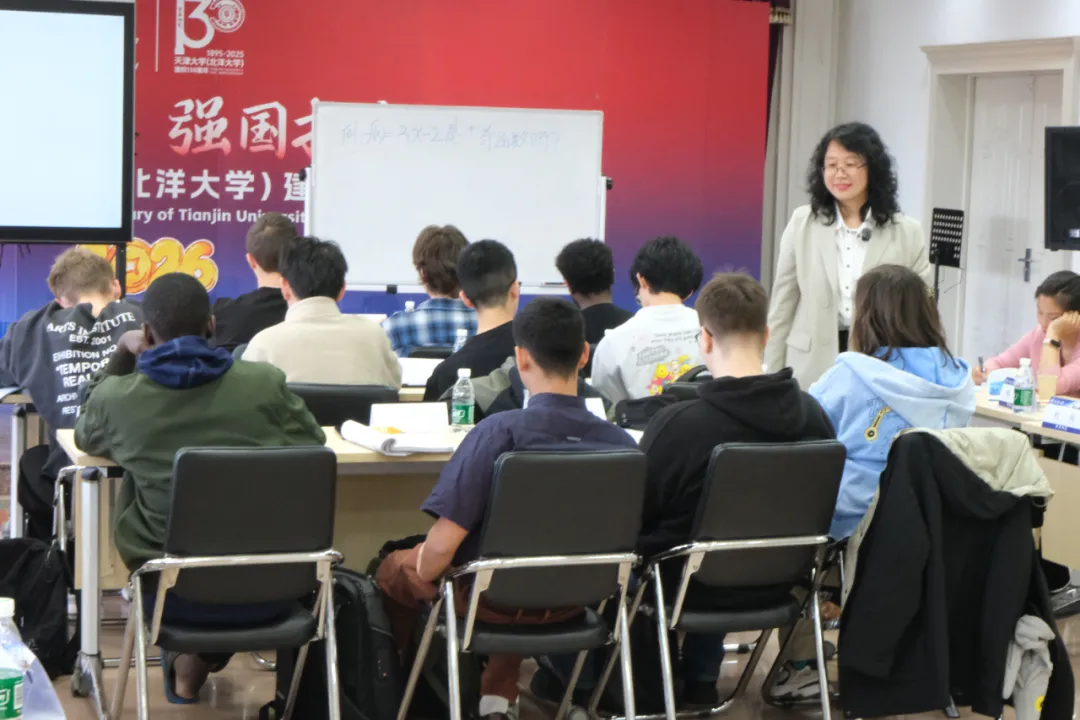
Associate Professor Ren Weiyun systematically deconstructed the core principles, key challenges, and instructional strategies of IFP Mathematics teaching.Addressing common student challenges such as weak foundational knowledge, limited Chinese comprehension, and varying proficiency levels, she proposed practical methods including aligning Chinese and foreign knowledge frameworks, slowing down speech and standardising blackboard writing, strictly adhering to syllabus difficulty levels, and prioritising formula memorisation. Through her demonstration lesson on the “Parity of Functions,” she fully presented the standard teaching process of “definition explanation – example verification – guided practice – summary and consolidation,” providing mathematics teachers with a directly replicable teaching model.
Physics Teaching Session | Associate Professor Xiao Lifeng
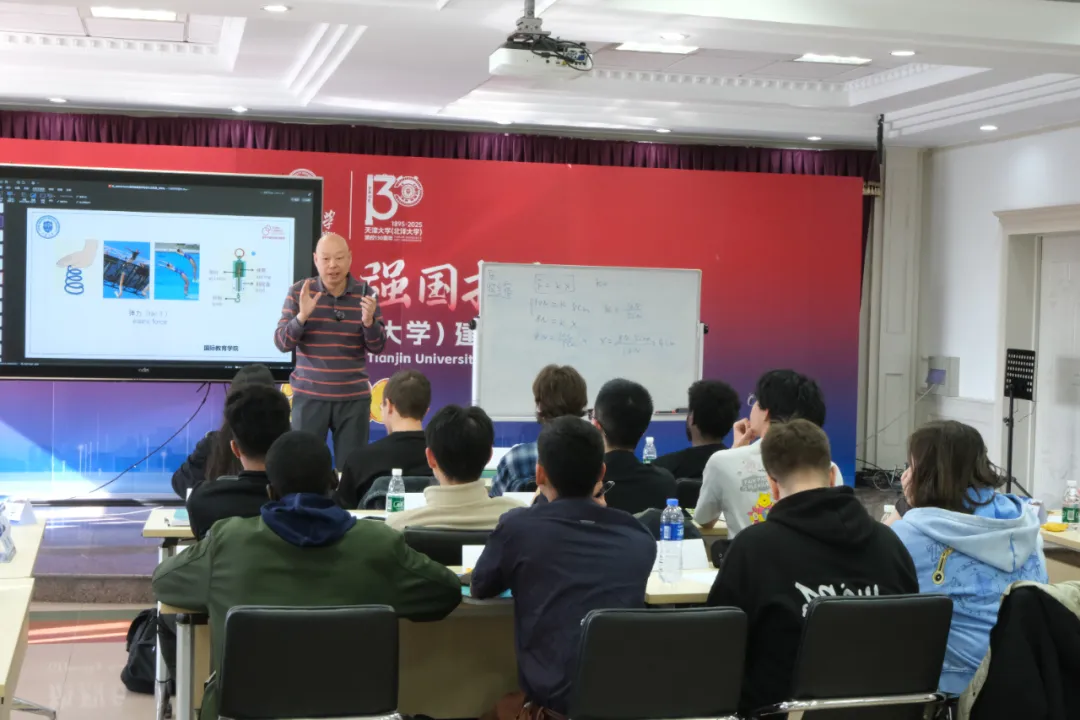
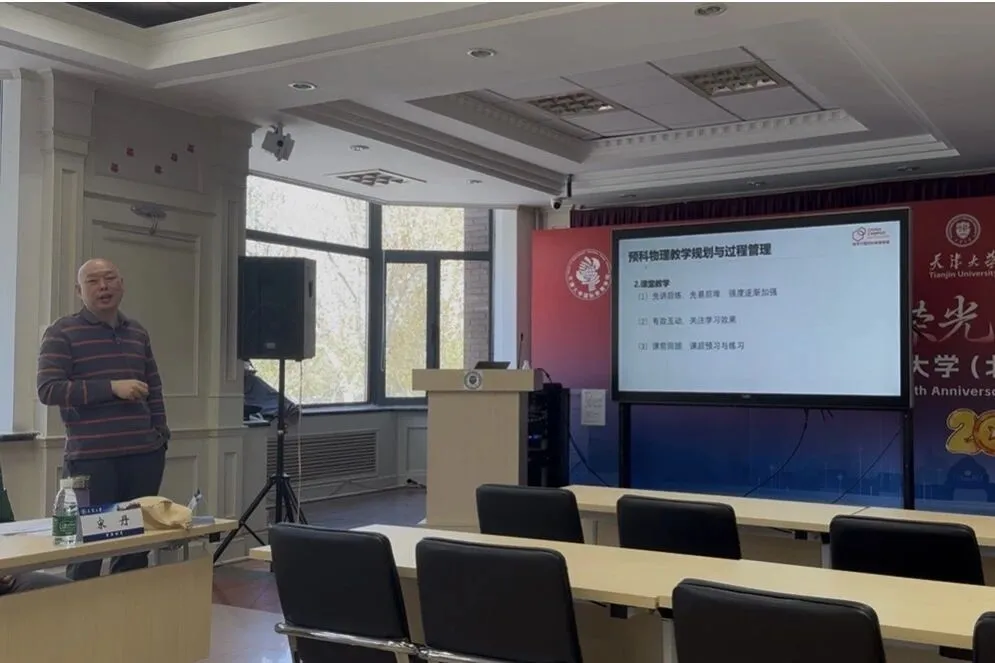
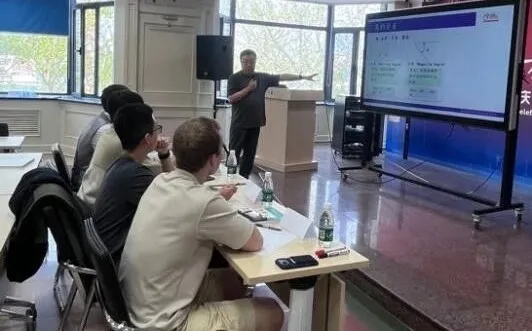
Associate Professor Xiao Lifeng focused on the teaching value and practical techniques of IFP Physics, delivering an in-depth training session centred on teaching objectives, content systems, and classroom management. Addressing common pain points such as “inability to understand lessons in class, difficulty keeping up with exercises, and weak interaction,” he shared solutions including prioritising vocabulary, using visual aids, stimulating interest through experiments, and implementing tiered teaching. Through his demonstration lesson on “Elastic Force and Friction,” he integrated subject-specific Chinese into physics teaching, creating an efficient physics classroom tailored for international students.
Practical Simulation Module: Group-Based Drills and Trial Teaching, Enhancing Instruction Through Evaluation
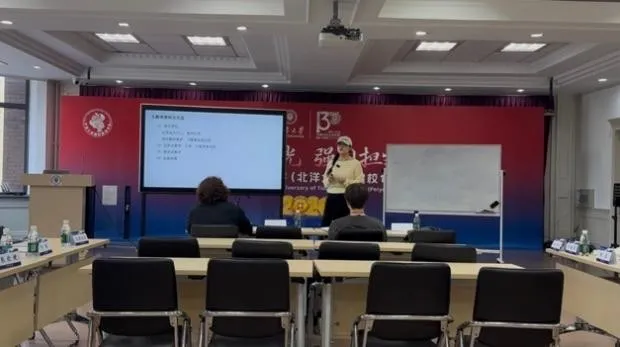
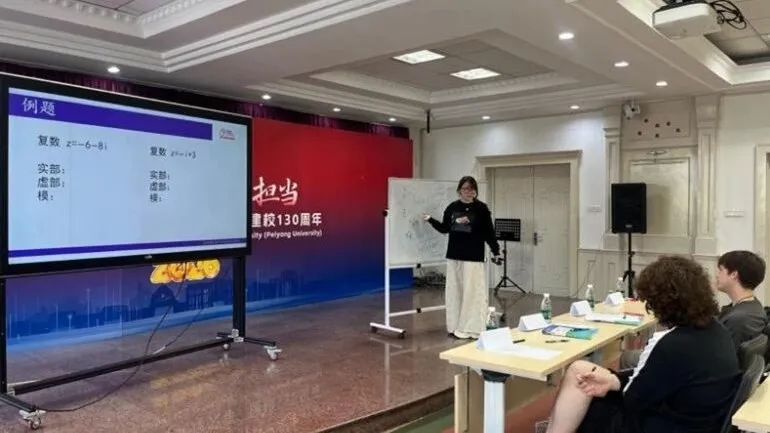
Building on a comprehensive understanding of the CCN IFP teaching system, student profiles, and instructional methodologies, all participating teachers were divided into three groups—Mathematics Group A, Mathematics Group B, and Physics Group. Under the guidance of subject experts, they engaged in a full-cycle practical training process, including collaborative lesson planning, teaching design, and simulated teaching practice.
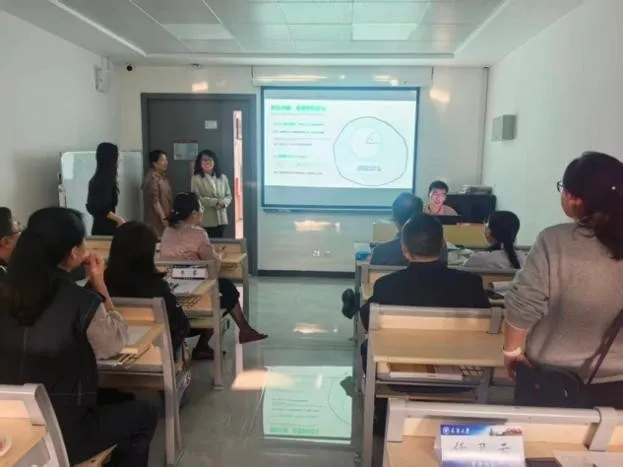
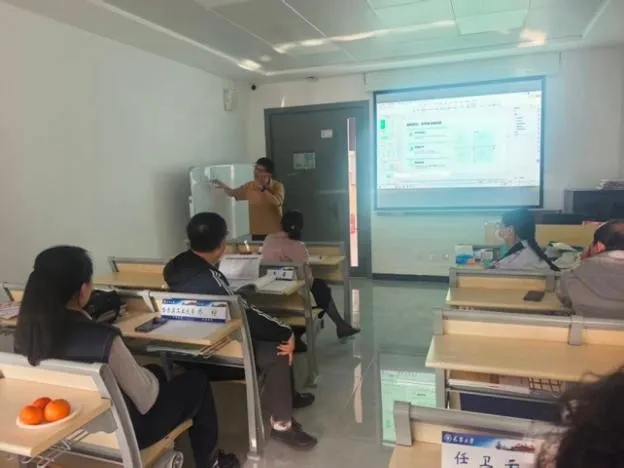
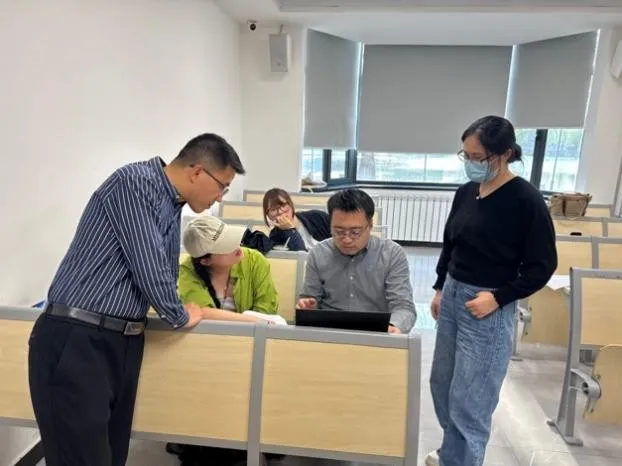
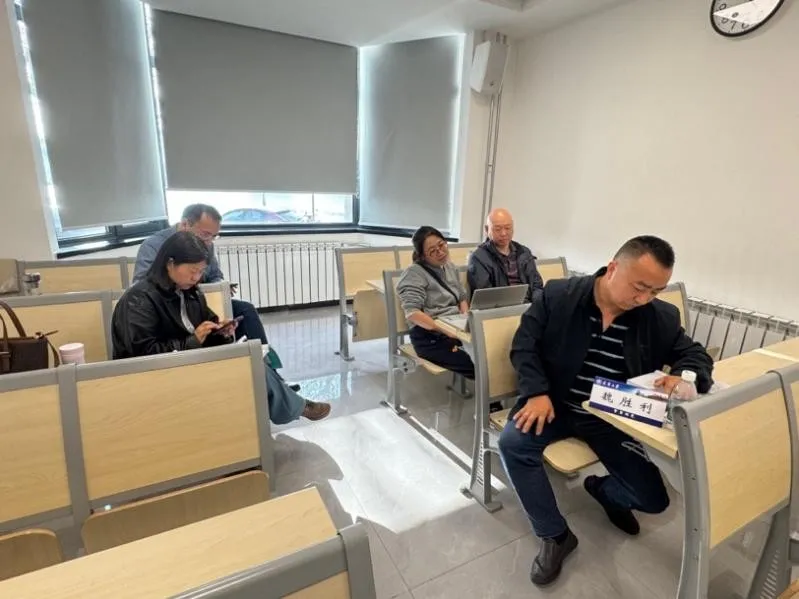
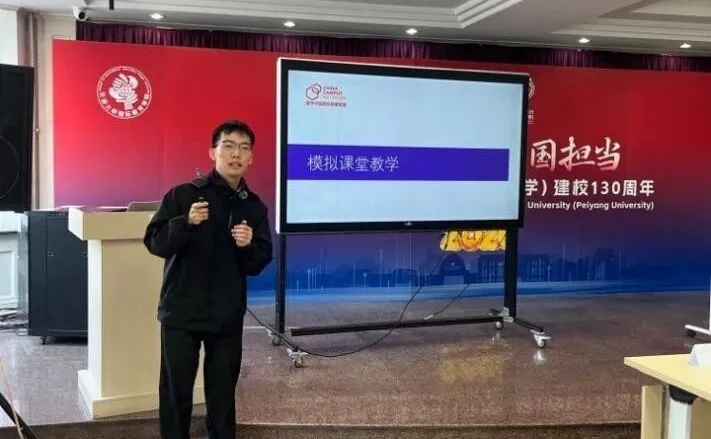
The morning of April 12th was an exciting practical simulation module where each team made collective appearances, introduced internal division of labor, and sent two representatives to present teaching designs and conduct simulated teaching to experts and teachers attending the seminar. They then received questions and comments from IFP teaching experts in group format.
Physics Group:
The teaching design presentation was delivered by Mr. Wei Shengli (Jiangsu University); simulated classroom teaching was conducted by Ms. Yu Xiaozhu (Jiangsu University); Mr. Dai Hailang (Jiangsu University), Ms. Luo Xiaodong (Xi’an Shiyou University), and other group members collaboratively responded to questions raised by the two IFP teaching experts.
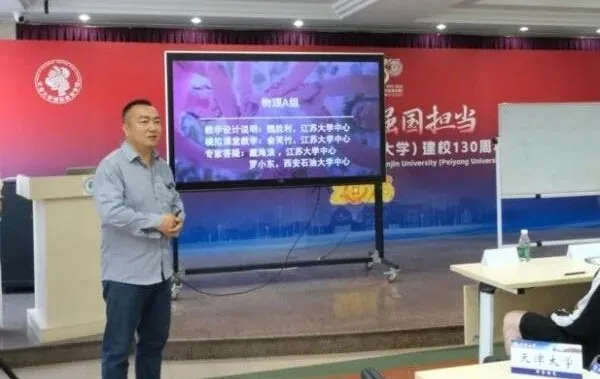
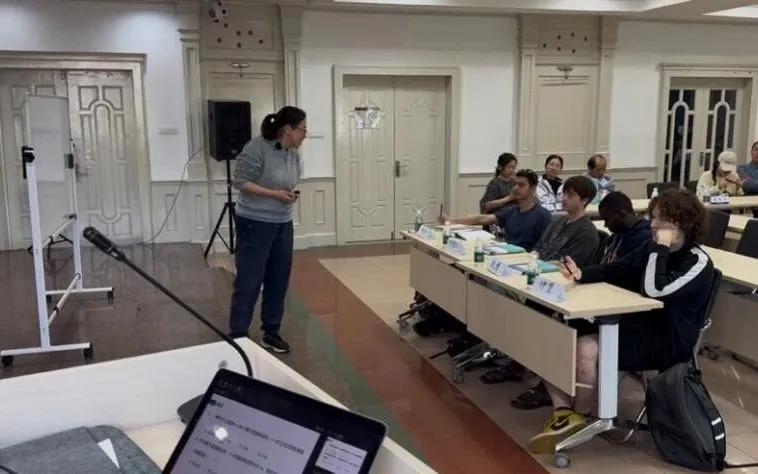
Mathematics Group A:
The teaching design presentation was delivered by Ms. Tang Ying (Jiangsu University); simulated classroom teaching was conducted by Ms. Zhang Qinjie (Tianjin University); Ms. Qian Lijuan (Jiangsu University), Mr. Wang Chaojie(Jiangsu University), Mr. Xu Chaoqun (Jiangsu University), and other group members collaboratively responded to questions raised by the two IFP teaching experts.
Mathematics Group B:
The teaching design presentation was delivered by Mr. Xing Kai (Tianjin University); simulated classroom teaching was conducted by Mr. Li Rui (Xi’an Shiyou University); Ms. Wang Zhongyan, Ms. Qiao Ning (Harbin Institute of Technology), Ms. Yang Jie, Ms. Liu Xun (Jiangsu University), and other group members collaboratively responded to questions raised by the two IFP teaching experts.
During the seminar, experts provided feedback on the teaching designs and simulated classroom teaching of each group of teachers. The experts evaluated and commented on dimensions including textbook understanding, teaching objectives, student profile analysis, instructional design, and teaching effectiveness. They affirmed the effectiveness of collaborative teaching research and the collective lesson planning approach, noting that the teachers demonstrated solid subject teaching fundamentals, the ability to comprehensively analyse teaching subjects, sufficiently break down teaching objectives, and completely design teaching processes. However, the experts pointed out that in IFP mathematics and physics teaching aimed at international students in China, it is essential to focus on efficient knowledge transmission, avoid creating new language comprehension barriers through explanations, reasonably balance knowledge instruction and extension, and flexibly respond to student feedback during teaching interactions. Efficiently achieving the teaching objectives of IFP mathematics and physics subjects is a key point that all IFP mathematics and physics teachers should continuously focus on and reflect upon in their teaching practice.
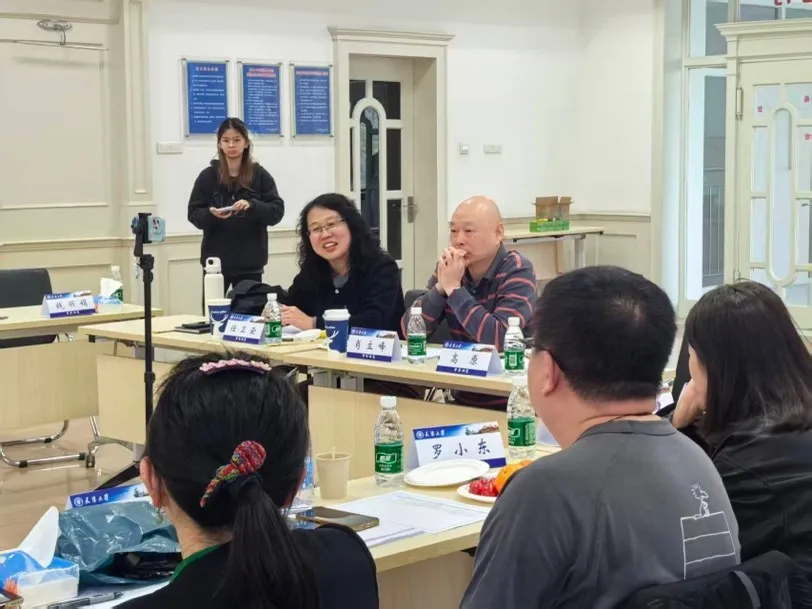
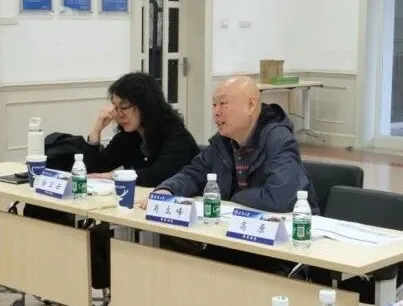
Ms. Gao Yuan, Academic Teaching Director of the CCN Academic Management Center, collected feedback and suggestions from participating teachers during the seminar.Overall, teachers from various IFP centres expressed strong recognition of the training, noting that the content was substantial, the format innovative, and the outcomes highly effective. Participants highlighted that the training not only clarified the positioning and teaching objectives of IFP Mathematics and Physics courses, but also deepened their understanding of the syllabus and teaching materials through expert demonstrations, collaborative lesson development, and practical simulation. Moreover, they gained practical instructional approaches tailored to international students.Some teachers put forward constructive suggestions for the mathematics and physics training, recommending that future training could be organised into targeted sessions based on student proficiency levels, allowing for focused learning and refinement of tiered teaching methods.
Lastly, Ms. Gao Yuan, Academic Teaching Director of the CCN Academic Management Center, summarized the training session. In her concluding remarks, she expressed gratitude to the leadership and faculty of International Education College of Tianjin University for their strong support and assistance in organizing the training seminar. She also thanked the two experts in IFP mathematics and physics teaching for their excellent demonstrations and careful guidance, the participating teachers for their wholehearted dedication during the training session, their attentiveness to expert insights, and their excellent collaboration in completing simulated teaching activities.
The CCN Academic Management Center will continue to promote the regularisation of teacher training, systematisation of teaching and research, and productisation of teaching resources, supporting IFP 2.0 talent cultivation with high-standard teaching quality. Through these efforts, CCN will help more international students in China achieve high scores in both the IFP graduation examinations and the CSCA examinations, realising their dreams of studying at Chinese universities.