CCN IFP Students Make a Strong Showing in the First CSCA Examination
CCN IFP Students Make a Strong Showing in the First CSCA Examination
30/07/2026
Recently, students from the CCN International Foundation Programme (IFP) took the China Scholastic Competency Assessment (CSCA) for the first time. As an important standardized examination for international students applying for undergraduate degree programmes in China, CSCA assesses not only students’ language ability, but also their foundational subject competence in areas such as mathematics and physics. Its results also serve as an important reference for university admissions and scholarship evaluation. For foundation students, the examination is an important step toward university entry; for CCN IFP, which has been running for ten years, it is also a demonstration of foundation education outcomes under a national unified examination standard.
In this inaugural examination, CCN IFP students from Russia, Malaysia, Uzbekistan, Indonesia, Vietnam, Egypt and other countries delivered strong overall results in Chinese, Mathematics and Physics. High-scoring students came from multiple CCN Foundation Centers of Tianjin University, Harbin Institute of Technology, Heilongjiang University, Jiangsu University, Xi’an Shiyou University, Northwestern Polytechnical University, and the Shanghai Center, demonstrating solid and well-balanced learning outcomes across the CCN foundation network.
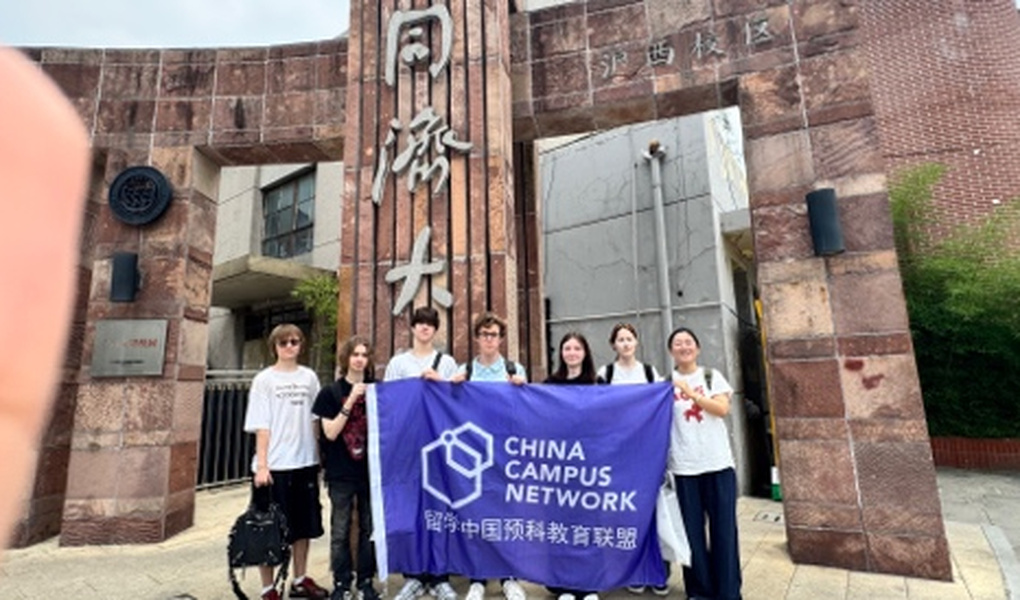
Tongji University Exam Site
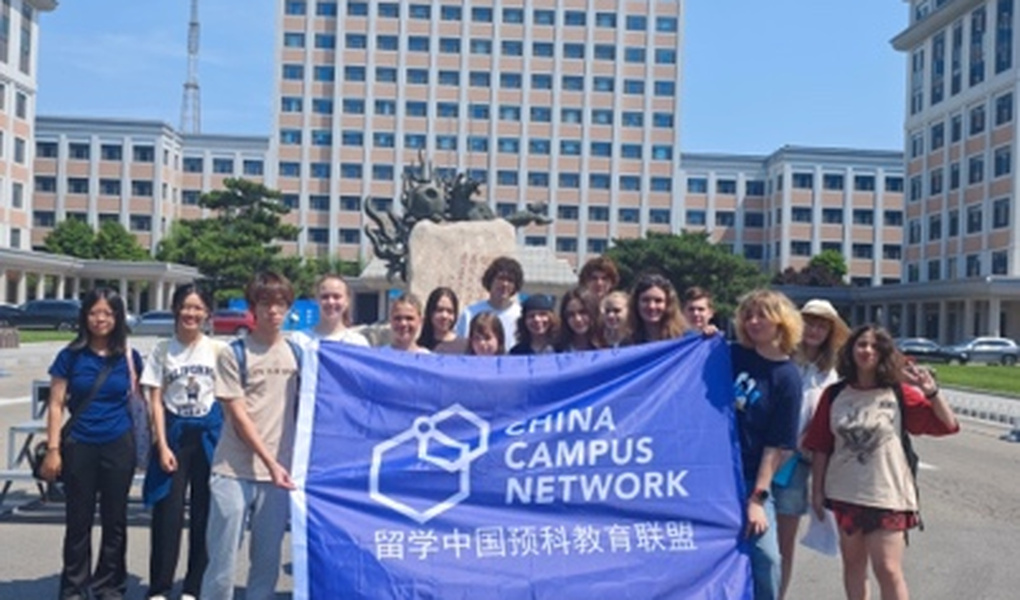
Central University of Finance
and Economics Exam Site
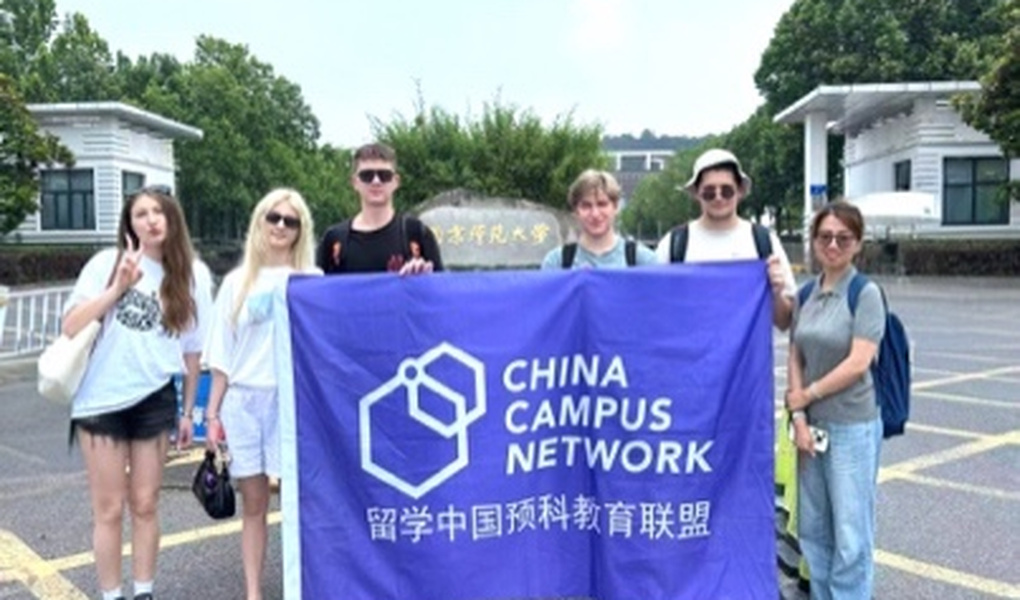
Nanjing Normal University Exam Site
PART I
First CSCA Attempt:
Strength across All Subjects Comes Clearly into View
Among CCN IFP students, the performance of those from one-year Route A are particularly representative of the full learning process. Most of these students began learning Chinese from scratch. After 10 months and approximately 1,300 contact hours of systematic study in CCN IFP, they gradually completed the transition from “learning Chinese language” to “learning Mathematics and Science subjects in Chinese” and delivered impressive results in their first CSCA examination.
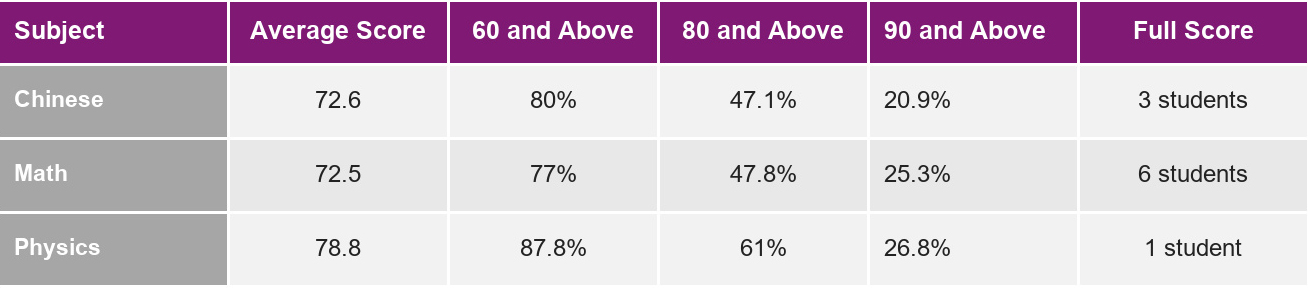
Looking at the overall results across subjects, Route A students established a solid pass base and a clear high-performing group in Chinese, Mathematics and Physics. The average score in Chinese was 72.6, with 80% of students scoring 60 and above; the average score in Mathematics was 72.5, with 77% of students scoring 60 and above and the average score in Physics was 78.8, with 87.8% of students scoring 60 and above.
The proportion of students scoring 80 or above, regarded here as the excellence rate, was close to 50% in both Chinese and Mathematics, and over 60% in Physics. The proportion of students scoring 90 or above, regarded here as the high-score rate, exceeded 20% in Chinese and reached more than 25% in both Mathematics and Physics. This indicates that student performance was not limited to a single subject, but reflected simultaneous development in language ability, subject competence and examination readiness.
In addition, 3 students achieved the national top score of 100 in Chinese, 6 students achieved 100 in Mathematics, and 1 student achieved 100 in Physics. The presence of perfect-score students across all three subjects further highlights CCN IFP students’ comprehensive competitiveness and ability to break into the highest score band.
| Subject | Average Score | 60 and Above | 80 and Above | 90 and Above | Full Score |
|---|---|---|---|---|---|
| Chinese | 72.6 | 80% | 47.10% | 20.90% | 3 students |
| Math | 72.5 | 77% | 47.80% | 25.30% | 6 students |
| Physics | 78.8 | 87.80% | 61% | 26.80% | 1 student |
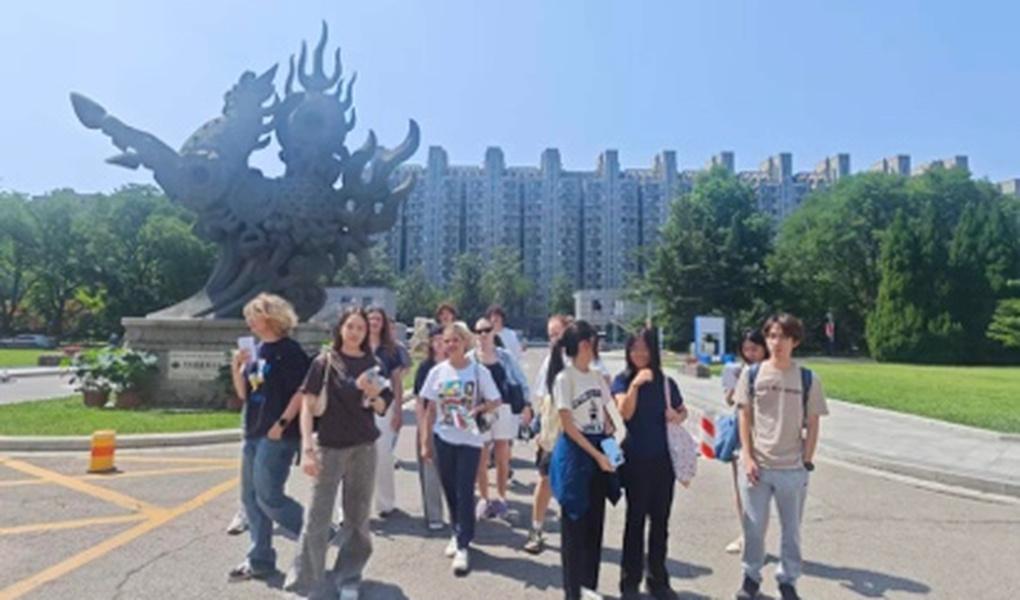
CCN Candidates
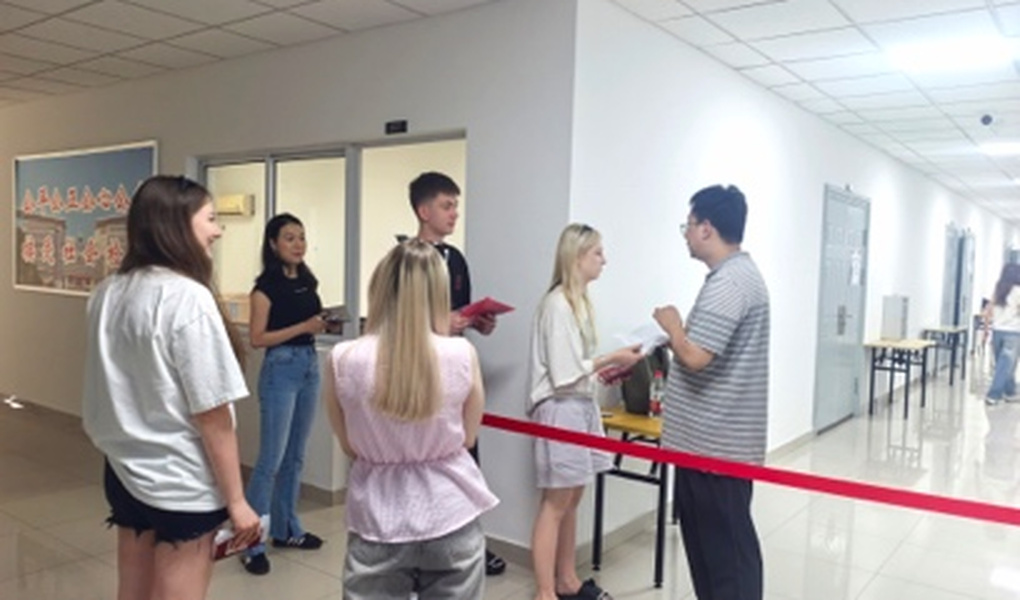
Pre-Exam Verification
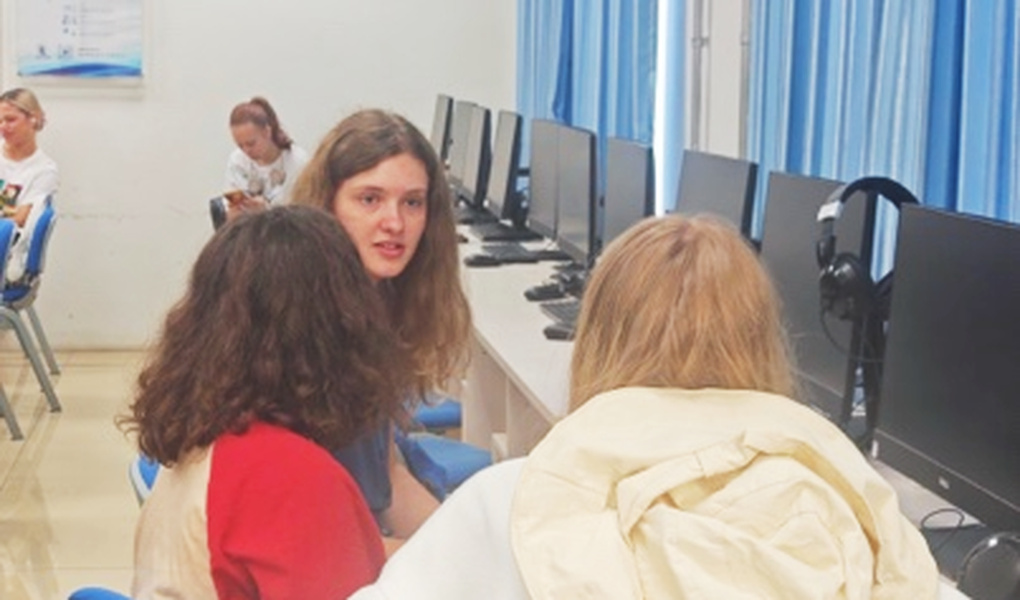
CCN Candidates
PART II
Strength in Mathematics and Science:
High-Quality Students Demonstrate Academic Ability in Chinese
Among the three examined subjects, Chinese, Mathematics and Physics, Mathematics and Physics best reflect the combined level of “language learning” and “foundational subject learning” at the foundation stage. For beginner students, the challenge is not only to master knowledge, but also to accurately understand question stems, technical terms, quantitative relationships and reasoning requirements in a Chinese-language context, and to produce standard answers within the required time.
In this CSCA examination, among students scoring 80 or above in Chinese, 67% were from Russia and 17% were from Malaysia, with three Malaysian students achieving full marks in Chinese. Among students scoring 80 or above in Mathematics, 83% were from Russia, with six Russian students achieving full marks in Mathematics. Among students scoring 80 or above in Physics, 95% were from Russia, with one Russian student achieving full marks.
Russian students performed particularly well in the high-score bands for Mathematics and Physics. Their prior strengths in Mathematics and Science provided a strong starting point for foundation study; through academic Chinese learning and Mathematics-and-Science problem-solving training during IFP, these strengths were transformed into solid academic ability in Chinese university classroom and unified examination settings. Starting Chinese from scratch did not prevent them from fully demonstrating their subject potential after systematic foundation study.
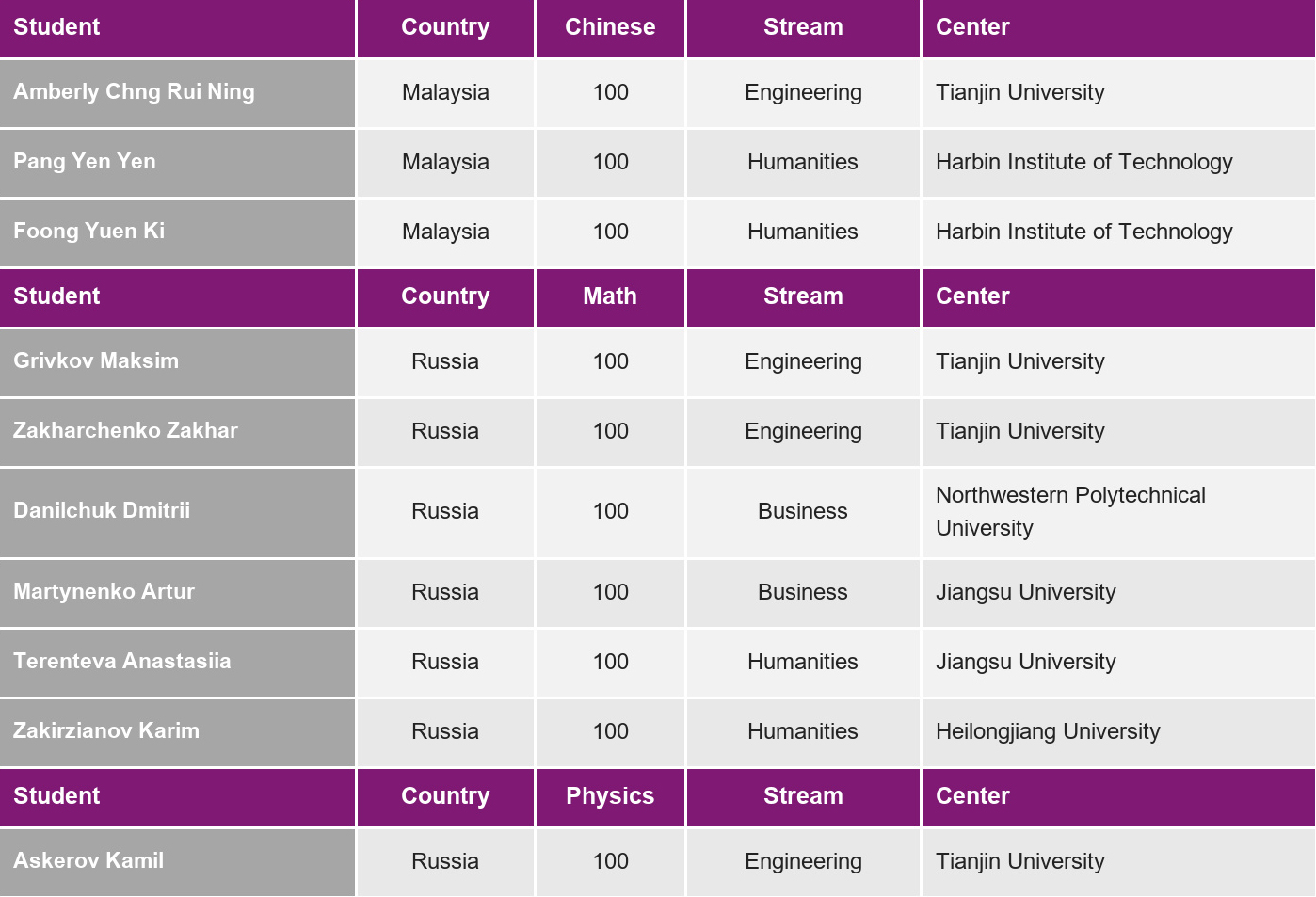
Students Achieving Full Marks by Subject
| Student | Country | Chinese | Stream | Center |
|---|---|---|---|---|
| Amberly Chng Rui Ning | Malaysia | 100 | Engineering | Tianjin University |
| Pang Yen Yen | Malaysia | 100 | Humanities | Harbin Institute of Technology |
| Foong Yuen Ki | Malaysia | 100 | Humanities | Harbin Institute of Technology |
| Student | Country | Math | Stream | Center |
|---|---|---|---|---|
| Grivkov Maksim | Russia | 100 | Engineering | Tianjin University |
| Zakharchenko Zakhar | Russia | 100 | Engineering | Tianjin University |
| Danilchuk Dmitrii | Russia | 100 | Business | Northwestern Polytechnical University |
| Martynenko Artur | Russia | 100 | Business | Jiangsu University |
| Terenteva Anastasiia | Russia | 100 | Humanities | Jiangsu University |
| Zakirzianov Karim | Russia | 100 | Humanities | Heilongjiang University |
| Student | Country | Physics | Stream | Center |
|---|---|---|---|---|
| Askerov Kamil | Russia | 100 | Engineering | Tianjin University |
In addition to Russian students, CCN IFP students from Uzbekistan, Indonesia, Vietnam, Malaysia and other countries also achieved strong results in the CSCA exam. Students from different countries vary in language background, prior education and learning habits. The value of foundation education is not to erase these differences, but to help students transform their existing strengths into the ability to meet the learning requirements of Chinese universities through unified curriculum standards and tiered support.
Multi-Center, Multi-Nationality, Strength across All Subjects
- Full-score students in Mathematics came from Route A of one-year IFP study
- High scores appeared across different centers, countries and classes
- Zero-beginner students can build strong subject ability
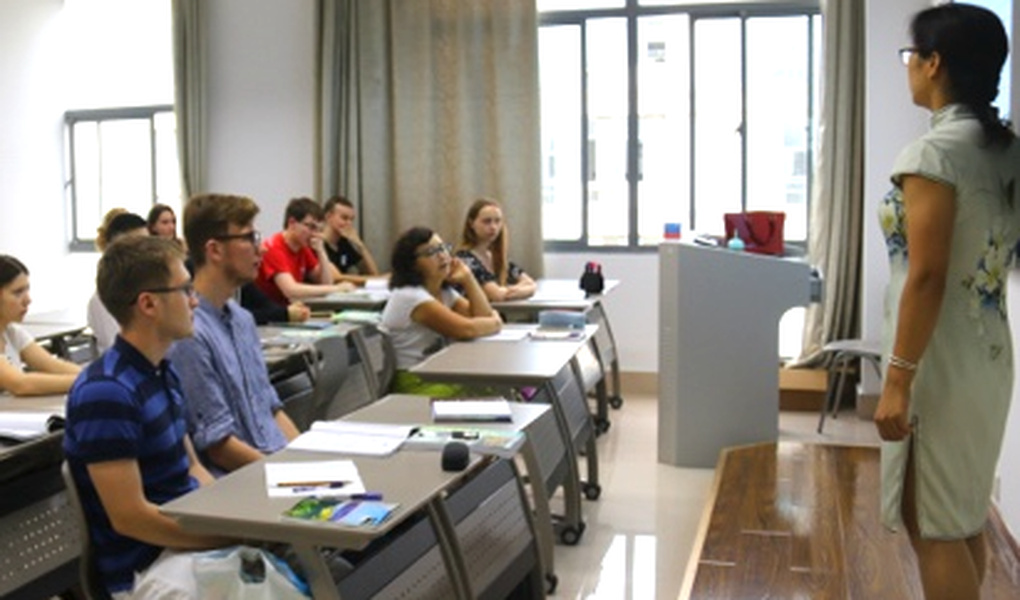
IFP Chinese Class
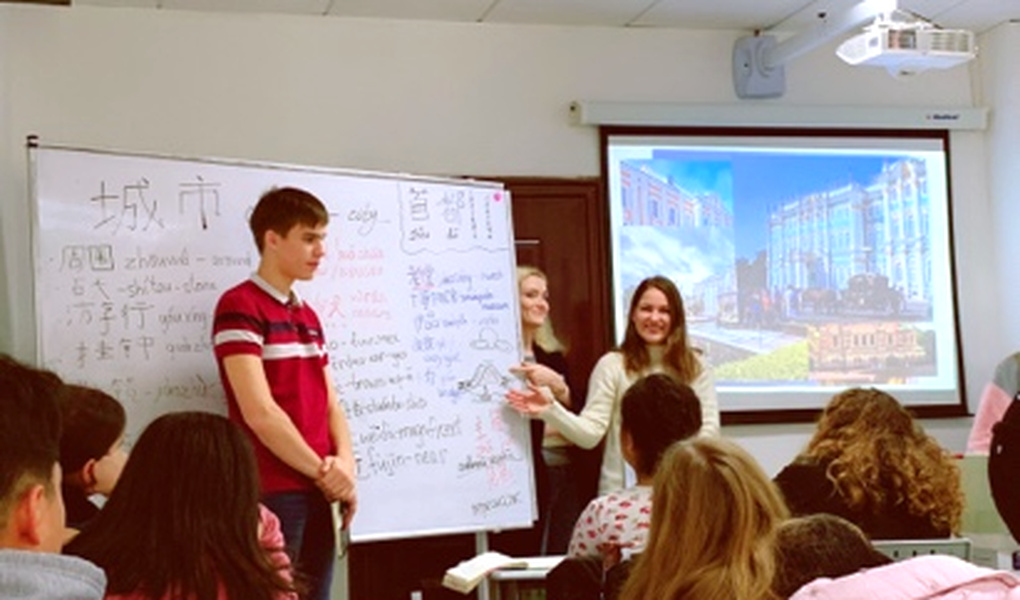
Student Presentation

IFP Teachers and Students
PART III
Strengths of CCN Foundation Education:
Comprehensive Preparation for Undergraduate Study
The outstanding results achieved by students in the CSCA examination were not the result of last-minute preparation. They reflect the shared efforts of students from different countries, as well as the sustained implementation of CCN’s unified foundation teaching plan, curriculum standards and teaching support across its foundation centers.
Since its implementation in 2017, CCN IFP has consistently aimed to prepare international students comprehensively for degree study in Chinese-taught degree programmes. The CCN IFP curriculum does not simply place Chinese language and subject courses side by side. Instead, it helps students gradually transfer their abilities through a staged connection among General Chinese, Chinese for Academic Purposes and High School Subjects.
General Chinese courses help students build vocabulary, grammar, listening, speaking, reading, writing and classroom communication skills. Chinese for Academic Purposes then moves into learning scenarios such as Mathematics and Physics, helping students understand symbols, quantitative relationships, question formats and the language of reasoning. Mathematics and Physics courses focus not only on knowledge foundations, but also on understanding and application in a Chinese-language context.
In preparation for the CSCA examination, CCN IFP teaching teams further carried out question-type training, staged assessments, mock examinations and intensive review, helping students become familiar with the examination rhythm, identify knowledge gaps and develop the ability to answer accurately within a limited time. For international students coming to China, what truly matters is not only passing one examination, but also building the language ability, subject foundations and learning methods required for degree-level study before entering a Chinese university.
The CSCA results show that CCN IFP can consistently support students in connecting language ability with subject competence across different teaching settings, and can achieve its goal of providing comprehensive preparation for undergraduate study.
Conclusion:
Making the First CSCA Results a New Starting Point
In their first CSCA examination, CCN IFP students demonstrated solid learning outcomes through their results: balanced development across three subjects, outstanding perfect scores in Mathematics, a strong pass rate in Physics, and high-scoring students emerging from multiple centers and countries. What deserves even greater attention behind these scores is a group of high-quality international students coming to China who began with no Chinese foundation and, within one year, continued to overcome challenges in language, subject learning and study methods through CCN IFP, ultimately moving toward undergraduate degree study delivered in Chinese. The inaugural CSCA results are both a stage-by-stage validation and the beginning of a new journey.
The CCN IFP students who took this CSCA examination have also completed their IFP graduation examinations and achieved excellent results. They have now entered the university admission stage. The dual validation of CSCA results and IFP graduation examination performance not only reflects students’ comprehensive improvement in language ability, subject foundations and adaptability to Chinese university study, but also further verifies CCN’s educational outcomes in foundation education for international students coming to China.
Looking ahead, CCN will continue to focus on foundation education and university progression training for international students. Empowered by AI, CCN will increase input in the development of smart teaching systems, further improve its curriculum, teaching support and learning evaluation mechanisms, and continue to enhance the quality of foundation education through more precise data tracking, more timely learning feedback and more systematic personalized support. These efforts will help more foundation students progress steadily toward Chinese universities.
Stay tuned. This article provides an overview of CCN IFP students’ overall performance in their first CSCA examination. Next, CCN will continue to release a special interview series featuring the Global Outstanding Foundation Graduates, showcasing the growth journeys of IFP students and the diverse value of CCN foundation education in helping international students progress to Chinese universities.